Berberine with Ceylon Cinnamon: Benefits of Taking Them Together
Why pair berberine with Ceylon cinnamon?
Berberine with Ceylon cinnamon is a popular pairing because each targets a different step of glucose handling. Berberine acts inside cells through the AMPK pathway and curbs gut glucose uptake, while Ceylon cinnamon is studied for sharpening insulin signalling and slowing carb absorption.
- Berberine works mostly inside the cell; cinnamon works largely around the meal — so they overlap little.
- Ceylon cinnamon carries far less coumarin than cassia, making it friendlier for daily, long-term use.
- Studies on cinnamon have used roughly 1–6 g/day, with fasting-glucose drops of about 10–24 mg/dL reported in some groups.

Why "berberine with Ceylon cinnamon" became 2026's most-searched blood sugar combo
Search interest in berberine with Ceylon cinnamon has climbed fast, and it is not just hype-chasing. When people started experimenting with berberine on its own, a predictable question followed: what pairs well with it? Cinnamon kept surfacing, because the two behave like teammates rather than substitutes. Berberine is the intracellular workhorse; cinnamon is the mealtime moderator. Stacking two ingredients that hit the same lever rarely adds much. Stacking two that hit different levers is how thoughtful formulas are built.
That is the core logic behind the trend, and it maps onto how a modern blood-sugar-support formula is designed. Rather than megadosing a single botanical, the smarter approach layers complementary mechanisms so glucose is addressed at several points: what you absorb from a meal, how your cells respond to insulin, and how efficiently energy is used once it is inside. Below, we take each ingredient in turn, give you the real numbers, answer the objections honestly, and show where a product like GlucoBliss sits in the picture.
How berberine works: fewer sugars in, more energy burned
Berberine is a plant alkaloid found in barberry, goldenseal and Oregon grape, and it has one of the deepest research files of any blood-sugar botanical. Its headline mechanism is the activation of AMPK — often nicknamed the cell's "metabolic master switch." When AMPK is switched on, cells behave as though they need to make better use of the fuel they have: glucose uptake into muscle improves, and the body leans toward burning energy rather than storing it.
Berberine also appears to work at the gut level, reducing how much glucose is absorbed after a meal and nudging the gut microbiome in a favourable direction. Meta-analyses of human trials have linked berberine to lower fasting glucose, lower post-meal glucose and improvements in long-term markers. The practical read: berberine tends to lower the amount of sugar entering the bloodstream and help the cells that receive it work more efficiently. For a fuller breakdown of the evidence, our guide to the full range of berberine supplement benefits for blood sugar walks through the trial data step by step.
How Ceylon cinnamon works: steadier signaling, slower carbs
Cinnamon comes at the problem from a different direction. Its bioactive compounds have been studied for two useful effects. First, they appear to improve insulin signalling — effectively helping cells "hear" insulin's message more clearly, so glucose is cleared from the blood more efficiently. Second, cinnamon can slow the enzymatic breakdown of carbohydrates in the digestive tract, which blunts the sharp spike that follows a starchy or sugary meal.
Put berberine and cinnamon side by side and the division of labour is clear. Cinnamon flattens the incoming curve at the meal and improves the insulin handshake; berberine reduces absorption and tunes the cell's internal machinery through AMPK. They meet in the middle without stepping on each other — which is exactly why the pairing has legs.

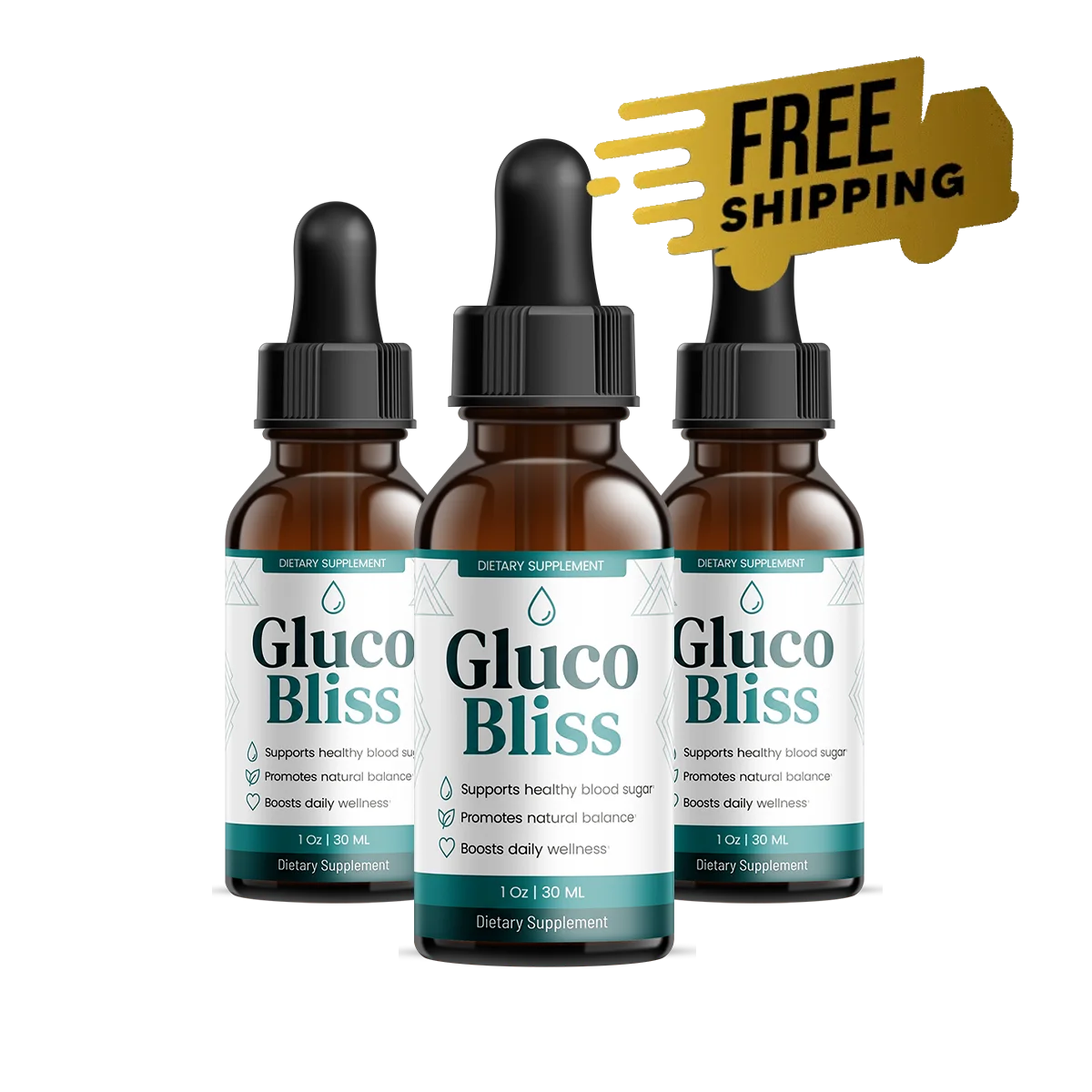
Want a multi-mechanism blood sugar formula?
GlucoBliss layers chromium with a botanical blend built to work on glucose from more than one angle — the same logic as the berberine-plus-cinnamon approach. See the current label and pricing on the official store.
Order NowThe numbers people actually ask about
Ranges matter more than single figures here, because individual response varies enormously. With that caveat, here is what the human research tends to show:
- Cinnamon dose: most studies used roughly 1 to 6 grams per day. Above that there is little added benefit and, with cassia, a rising coumarin concern.
- Fasting glucose: pooled analyses have reported reductions of about 10 to 24 mg/dL in some groups — meaningful, but not universal.
- Berberine: commonly studied around 500 mg taken two to three times a day with meals, with human trials linking it to lower fasting and post-meal glucose over weeks to months.
Notice the honest framing: these are ranges observed in research, not guarantees. Anyone promising you an exact number from a supplement is overselling. The value of the combo is that it gives glucose control two independent chances to improve, which tends to make the overall effect more robust than betting everything on one ingredient.
Ceylon vs cassia: the coumarin question
This is the single most important distinction for daily use, and it is where the word "Ceylon" earns its place in the search term. Most cinnamon on supermarket shelves is cassia, which is cheaper and stronger-tasting but contains relatively high levels of a compound called coumarin. At high, sustained intakes, coumarin can stress the liver. Ceylon cinnamon (sometimes called "true cinnamon") contains far less coumarin, which is why it is generally the preferred choice for people planning to take cinnamon every day for months.
To be fair to cassia: several of the blood-sugar studies people cite actually used cassia, so it is not that cassia does nothing. The point is one of margins. If you are taking a spice-dose daily and indefinitely, Ceylon gives you a more comfortable long-term safety profile for a broadly similar benefit. That is a reasonable trade to prefer.
Three myths worth clearing up
Myth 1: "If one is good, both must be double." Not how it works. Two ingredients that share a mechanism can hit a ceiling together. The reason berberine and cinnamon are interesting is precisely that they don't fully overlap — you are adding coverage, not stacking the same effect twice.
Myth 2: "More cinnamon means more benefit." The dose-response curve flattens. Piling in 10 g of cassia does not buy proportionally better glucose numbers, and it does raise the coumarin load. Sensible amounts of Ceylon are the smarter play.
Myth 3: "A supplement replaces the basics." It doesn't, and honest sellers say so. Sleep, movement after meals, fibre and protein sequencing, and overall carbohydrate quality still do the heavy lifting. A well-built supplement is a support layer on top of those habits, not a substitute for them. If you are comparing options, our overview of the best supplements to lower blood sugar naturally puts the whole category in context.
Where GlucoBliss fits
Here is the honest positioning. GlucoBliss is a liquid blood-sugar-support supplement built around chromium plus a proprietary botanical blend aimed at glucose metabolism. Its whole design philosophy echoes the berberine-plus-cinnamon idea: rather than leaning on one hero ingredient, it layers several botanicals so glucose is addressed from more than one direction. If the combo logic on this page appeals to you, GlucoBliss is a ready-made version of that multi-mechanism approach in a once-daily dropper.
Because GlucoBliss uses a proprietary blend, it does not print a milligram figure beside every ingredient — something we have written about candidly in our teardown of what actually fits inside its 15.47 mg proprietary blend. That transparency cuts both ways: it is why we always tell readers to confirm the current Supplement Facts panel on the official store rather than assume any single ingredient is present at a study-sized dose. Buy the mechanism you understand, verify the label, and set realistic expectations.
How to try the combo sensibly
- Check with your clinician first if you take glucose-lowering medication, blood pressure medication, or anything metabolised by the liver — berberine and cinnamon can interact.
- Start low and consistent. Daily consistency over weeks matters far more than an occasional large dose.
- Take it with meals. Both ingredients are studied around eating, which is when glucose actually spikes.
- Pick Ceylon over cassia for everyday, long-term use to keep the coumarin load low.
- Track one marker — fasting glucose or how you feel two hours after meals — so you can judge whether it is doing anything for you.
Related reading
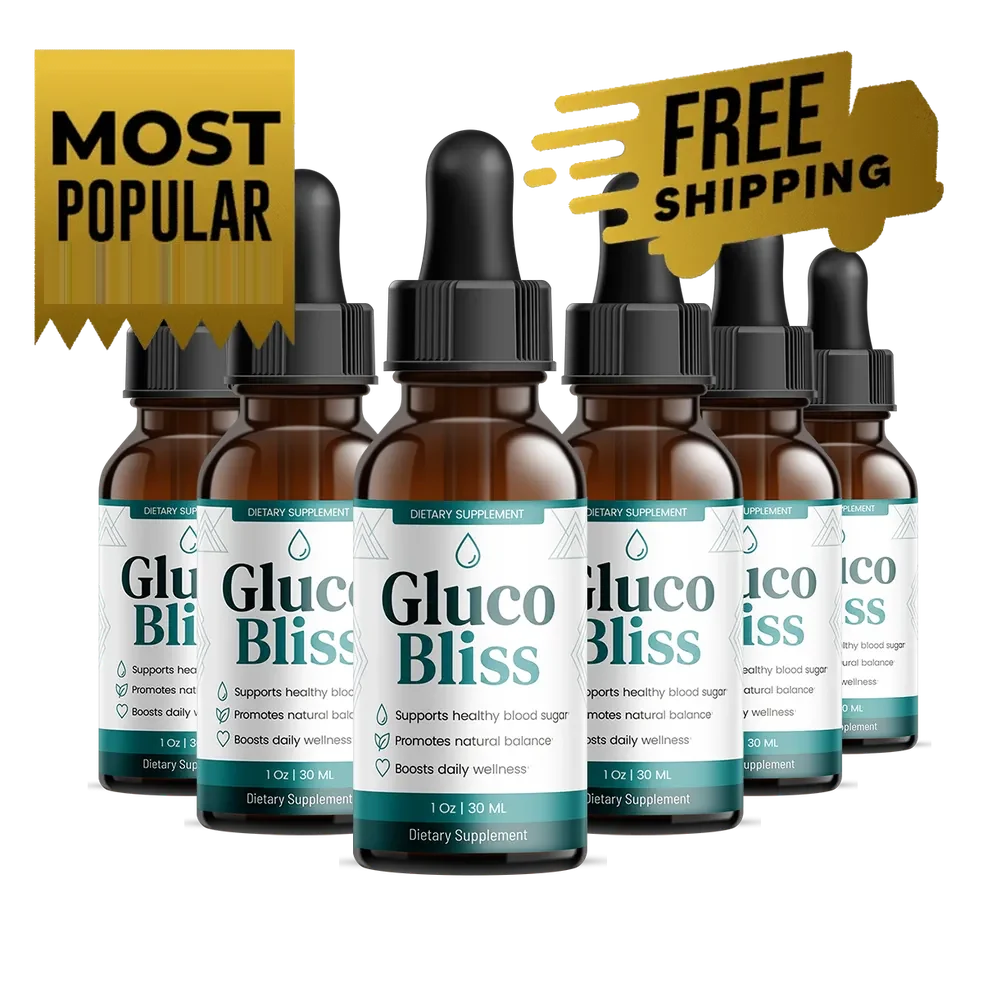
Try the multi-mechanism approach
If the berberine-and-cinnamon logic makes sense to you, GlucoBliss packages a multi-botanical blood sugar blend into one daily dropper. Check today's official-store pricing and the full label.
Order NowFrequently asked questions
Why combine berberine with Ceylon cinnamon?
Because they work on different parts of the same problem. Berberine acts largely inside cells through the AMPK energy pathway and appears to reduce how much glucose the gut takes up, while Ceylon cinnamon is studied for improving insulin signalling and slowing the breakdown of carbohydrates after a meal. Two complementary mechanisms can address glucose from more than one angle rather than doubling up on the same one.
Is Ceylon cinnamon better than cassia?
For daily use, many people prefer Ceylon because it contains far less coumarin than cassia (the common supermarket cinnamon). Coumarin can stress the liver at high, sustained intakes, so the lower level in Ceylon is generally seen as a safer profile for everyday supplementation. Cassia has been used in several blood-sugar studies, so it is not that cassia is ineffective, only that Ceylon carries a more comfortable long-term margin.
How much cinnamon lowers blood sugar?
Human studies have generally used somewhere between about 1 and 6 grams of cinnamon a day, and pooled results have reported fasting glucose reductions in the region of 10 to 24 mg/dL in some groups. Results vary a lot between individuals and study designs, so treat these as ranges seen in research rather than a promise for any one person.
Does GlucoBliss contain Ceylon cinnamon?
GlucoBliss is a blood-sugar-support supplement built around chromium plus a proprietary botanical blend aimed at glucose metabolism. Because a proprietary blend does not itemise every component, the reliable way to confirm whether Ceylon cinnamon or berberine appears in the current formula is to read the up-to-date Supplement Facts panel on the official store before you buy.
Can I take berberine and Ceylon cinnamon at the same meal?
Yes, many people take them together around meals as one simple routine. Follow the serving size on your label.