Berberine Benefits for Blood Sugar, Explained
What are the main berberine supplement benefits?
The best-documented berberine benefits are lower fasting and post-meal blood sugar, improved long-term glucose markers, and reductions in LDL cholesterol, total cholesterol and triglycerides. Berberine works mainly by activating AMPK, the cell’s energy switch. Results vary, so these are trial averages for general support.
- Meta-analyses report an average A1c drop of roughly 0.9% over about three months.
- It lowers blood sugar through AMPK activation plus reduced gut glucose uptake.
- The cholesterol and triglyceride benefits make it a metabolic-health ingredient, not just a glucose one.

Why berberine gets so much attention
Few natural compounds have moved from obscure herbal footnote to mainstream metabolic ingredient as quickly as berberine. Search volume for the head term runs into the hundreds of thousands each month, and for once the interest is earned: berberine has a research file most botanicals can only envy. The purpose of this guide is to explain the real berberine supplement benefits in plain language — what the evidence supports, what it does not, and how to think about a berberine-style formula like GlucoBliss without falling for the hype.
Berberine is a bright-yellow alkaloid extracted from plants such as barberry, goldenseal, Oregon grape and phellodendron. Traditional systems used these plants for centuries, but the modern interest is driven by randomised trials and meta-analyses looking specifically at glucose and lipid outcomes. Let's start with the mechanism, because once you understand how berberine works, every one of its benefits makes intuitive sense.
How berberine lowers blood sugar: the AMPK switch
Berberine's signature action is the activation of an enzyme called AMP-activated protein kinase, or AMPK. Think of AMPK as a fuel gauge inside every cell. When it senses that energy is running low, it flips the cell into "use energy efficiently" mode: glucose is pulled out of the bloodstream into muscle, fat storage is discouraged, and the machinery that burns fuel is turned up. Berberine switches AMPK on artificially, which nudges cells toward that efficient state even when energy is not actually scarce.
The downstream effect on blood sugar is twofold. First, more glucose is cleared from the blood into working tissue. Second, at the level of the gut, berberine appears to reduce how much glucose is absorbed after a meal and to reshape the gut microbiome in a way that supports metabolism. The combined result, seen across human trials, is lower fasting glucose and lower two-hour post-meal readings. If you want the practical companion to this science, our breakdown of a sensible berberine dosage around 500 mg covers how and when to take it.
The blood-sugar evidence, in numbers
Here is where berberine separates itself from the crowd. Multiple meta-analyses of randomised controlled trials have reported meaningful improvements across glucose markers:
- Fasting glucose: consistently reduced versus placebo across pooled trials.
- Post-meal (2-hour) glucose: also reduced, reflecting berberine's effect on absorption and uptake.
- A1c: an average reduction of roughly 0.9% over about three months has been reported in some analyses — a genuinely notable figure for a supplement.
Two honest caveats belong right here. First, "average" hides a wide range: some people respond strongly, others barely at all. Second, trial quality varies, and the most eye-catching results tend to come from smaller studies. The evidence is real and it is better than almost any competing botanical — but it is not a pharmaceutical guarantee, and no honest page should present it as one.
Prefer a ready-made botanical blend?
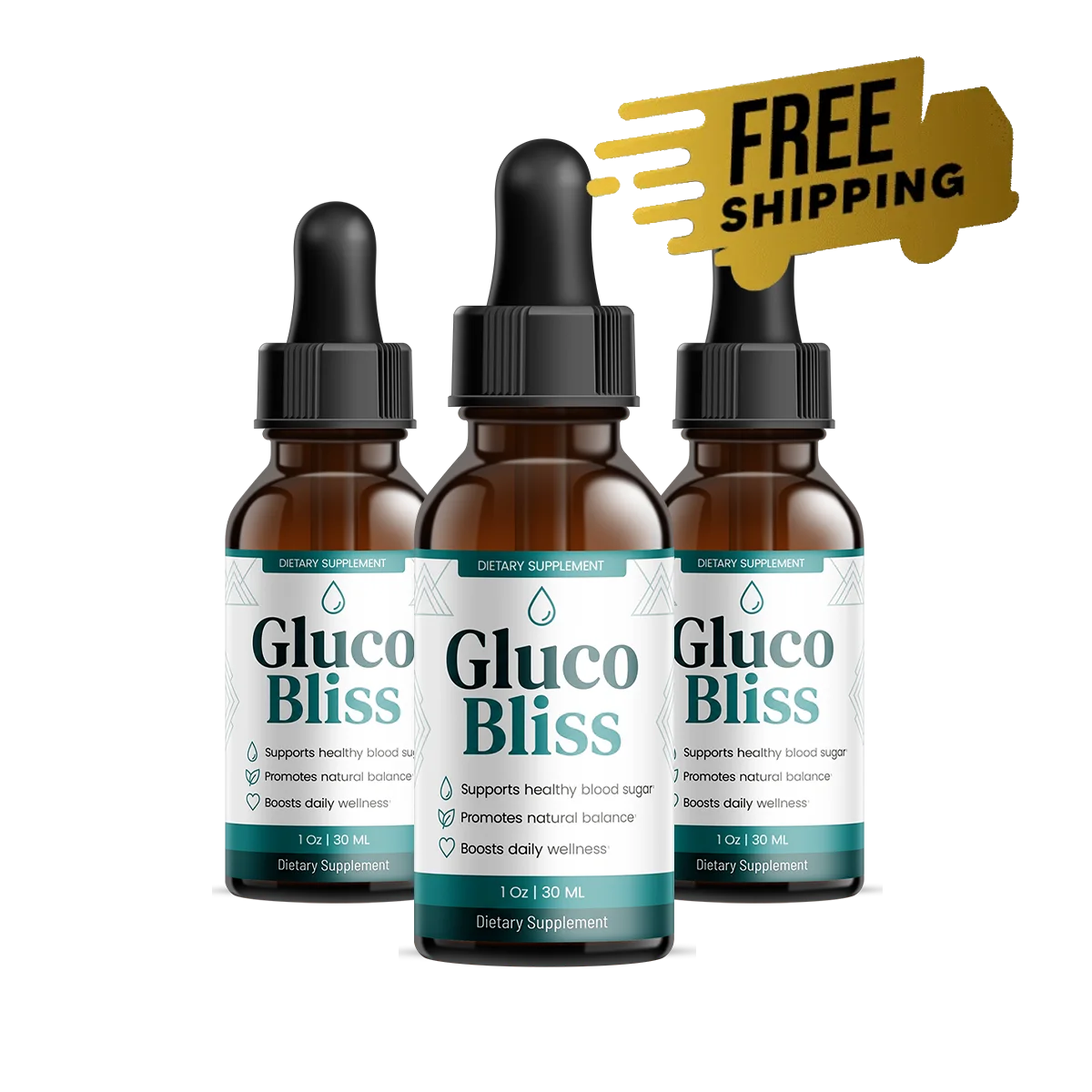
GlucoBliss packages chromium plus a multi-botanical blood sugar blend into one daily dropper — the same "support the whole metabolic picture" philosophy this article describes. See the current label and pricing.
Order NowBeyond glucose: cholesterol, triglycerides and metabolic health
One of the reasons berberine is described as a metabolic ingredient rather than merely a blood-sugar one is that its benefits do not stop at glucose. Meta-analyses have reported that berberine can lower LDL ("bad") cholesterol, total cholesterol and triglycerides, apparently through a mechanism distinct from how statins work. That combination — better glucose control and a friendlier lipid profile from a single compound — is unusual, and it is a large part of why berberine has such staying power.
There is early interest, too, in berberine's effects on body composition and inflammation markers, both plausibly downstream of AMPK activation. We keep those in the "promising but less settled" column. For the lipid angle specifically, our companion piece on how berberine supports healthy cholesterol levels digs into the trial data. The takeaway for this page: if you are thinking about berberine only for glucose, you may be underrating what it does for the rest of your metabolic panel.

Three objections, answered honestly
"Isn't berberine just a weaker metformin?" It is often compared to metformin because both engage AMPK, and some head-to-head trials found comparable glucose effects. But they are not interchangeable: metformin is a regulated medicine with decades of large-scale data and defined prescribing, while berberine is a supplement with a smaller, more variable evidence base. We lay out the real similarities and differences in our side-by-side berberine vs metformin comparison. The short version: interesting overlap, not a swap you make on your own.
"If it's so good, why isn't everyone on it?" Two practical reasons. Berberine has a short half-life, so it usually needs dosing two or three times a day to keep levels steady, which people find inconvenient. And it can cause digestive upset in some users, especially when started at a full dose. These are manageable, but they explain why berberine is a considered choice rather than an automatic one.
"Supplements don't really do anything." A fair scepticism for the category as a whole — but berberine is one of the exceptions with actual randomised-trial support. The honest framing is not "it doesn't work" versus "it's a miracle," but "it has real, measurable, average effects that vary by person and work best alongside diet, movement and sleep."
Where GlucoBliss fits
GlucoBliss is a liquid blood-sugar-support supplement built around chromium plus a proprietary botanical blend aimed at glucose metabolism. Its design reflects the same "support the whole metabolic picture" idea that makes berberine attractive: rather than a single hero compound, it layers several botanicals so glucose is addressed from more than one angle, in a convenient once-daily dropper. If the berberine benefits above appeal to you but the multi-dose schedule doesn't, a blended daily formula is the pragmatic alternative.
We are transparent about the trade-off of any proprietary blend: it does not print a milligram figure beside each ingredient, which we examined closely in our teardown of what fits inside the GlucoBliss 15.47 mg blend. So our standing advice holds — read the current Supplement Facts panel on the official store, match it against what you have learned here, and set expectations from the research ranges rather than the marketing. To see every component in context, our GlucoBliss ingredients explained guide goes label-line by label-line.
Related reading
Support your whole metabolic picture
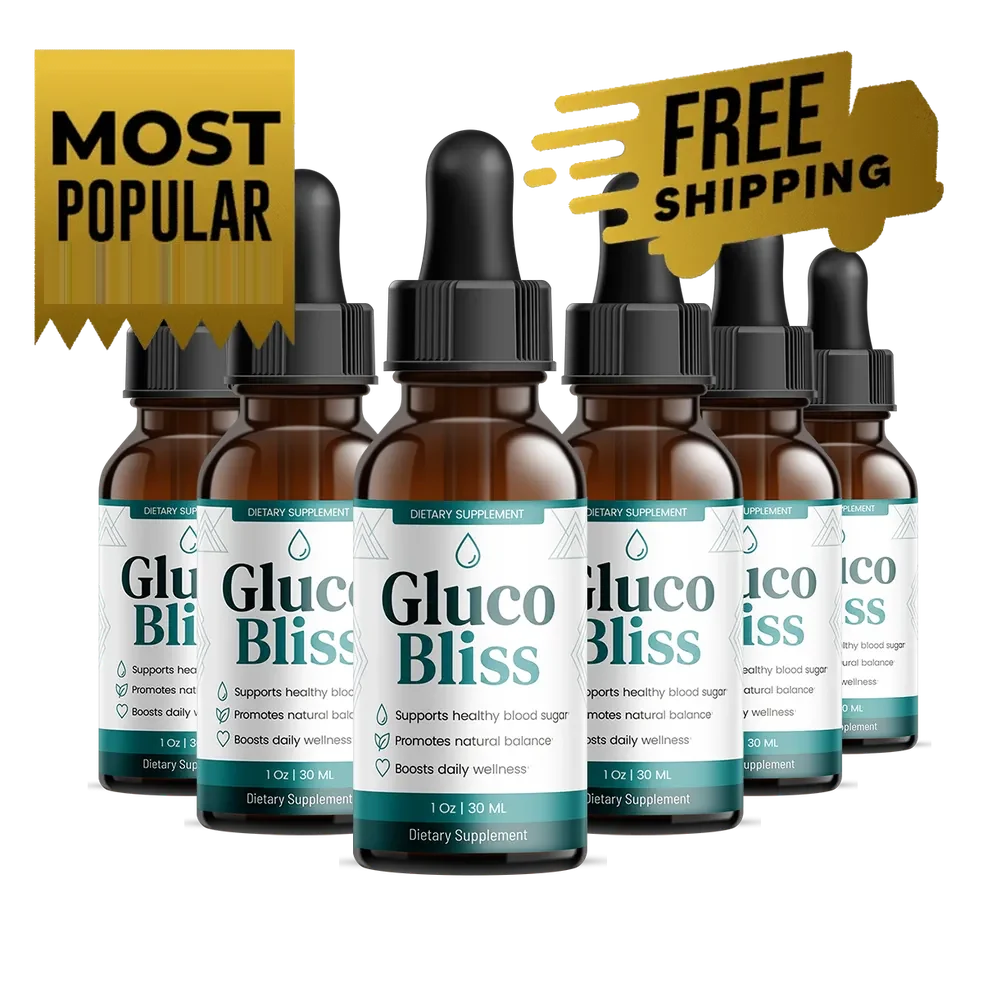
If berberine's multi-mechanism appeal makes sense to you, GlucoBliss delivers a botanical blood sugar blend in one daily dropper. Check today's official-store pricing and the full ingredient panel.
Order NowFrequently asked questions
What are the benefits of berberine?
In human studies berberine has been linked to lower fasting glucose, lower two-hour post-meal glucose, and improvements in long-term markers, along with reductions in LDL cholesterol, total cholesterol and triglycerides. It works largely by activating AMPK, a cellular energy pathway. Response varies between people, so these are benefits seen across trials rather than a promise for any individual.
How does berberine lower blood sugar?
Its main mechanism is activation of AMPK, sometimes called the cell's metabolic master switch. When AMPK is active, muscle cells take up glucose more readily and the body leans toward using energy rather than storing it. Berberine also appears to reduce how much glucose the gut absorbs after a meal and to shift the gut microbiome in a favourable direction.
Does berberine help cholesterol too?
Yes, that is one of the more consistent findings. Meta-analyses have reported that berberine can lower LDL cholesterol, total cholesterol and triglycerides through a mechanism separate from statins, which is part of why it is described as a metabolic-health ingredient rather than a blood-sugar ingredient alone. Anyone on cholesterol medication should discuss it with a clinician first.
Is berberine backed by science?
Berberine has one of the larger evidence bases among blood-sugar botanicals, with multiple randomised trials and meta-analyses reporting an average A1c reduction of roughly 0.9 percent over about three months in some analyses. The research is genuine but not unlimited: study quality varies, and a supplement is a support layer, not a replacement for medical care or lifestyle changes.
When is the best time to take berberine?
Many people take it with or just before a meal to match the post-meal glucose rise. Follow the label of the product you use.