Berberine 500mg Dosage: How Much Should You Take Per Day?
How much berberine should I take daily?
Most human studies use a total of 900 to 2,000mg of berberine per day, split into two or three doses. A very common protocol is 500mg two or three times daily. Because tolerance varies, many people start at 500mg once a day for a week, then build up, and never exceed 2,000mg daily without medical supervision.
- Typical total: 900–2,000mg per day, usually as 500mg doses.
- Split it: berberine has a short half-life, so 2–3 doses beat one big one.
- Timing: take each dose 20–30 minutes before a meal.
If you have just bought a bottle labelled 500mg, the first question is almost always the same: how many do I take, and when? This berberine 500mg dosage guide answers that in plain terms. The short version is that 500mg is one building block of a daily total, not the whole daily total, and getting the timing and the split right matters as much as the number of milligrams. Below we cover how much berberine to take per day, why the research keeps splitting the dose, how to time it around meals, and how to start low so your stomach comes along for the ride.
A quick note before the numbers: berberine is a potent compound that can interact with medications and can lower blood sugar meaningfully. This is education, not medical advice, and anyone on glucose-lowering drugs, blood-pressure medication or blood thinners should clear a berberine 500mg dosage with their doctor first.
What a 500mg berberine dosage actually is
Berberine is a plant alkaloid found in barberry, goldenseal, Oregon grape and several other botanicals. When a capsule says 500mg, that is almost always 500mg of berberine hydrochloride, the salt form used in most research and most products. If you want the full picture of the raw compound versus the HCl salt, our explainer on what berberine HCl actually is unpacks the difference and why it shows up on nearly every label.
The reason 500mg became the default capsule size is convenience, not biology. It divides neatly into the daily totals used in trials. A 1,000mg-per-day protocol is two capsules; a 1,500mg protocol is three. That is the whole logic. So think of a 500mg capsule as a single serving, and the daily plan as how many of those servings you take and when.
How much berberine per day: the research range
Across the human studies that put berberine on the map, the daily total most often landed between 900mg and 2,000mg. The most-cited protocols cluster around 1,000mg to 1,500mg per day. In practice that maps cleanly onto a 500mg capsule:
- 500mg once daily — a gentle starting dose, roughly a third of a typical study total.
- 500mg twice daily (1,000mg total) — a common everyday maintenance dose.
- 500mg three times daily (1,500mg total) — the upper end of the frequently studied range.
Going above 2,000mg a day rarely appears in the research and mostly buys extra digestive complaints rather than extra benefit, so most people have no reason to exceed it. If 500mg once daily is already covering you comfortably, there is no rule that says you must climb. More is not automatically better with berberine; consistency is what the evidence rewards.
Why you split berberine doses instead of taking one big one
Here is the single most important thing to understand about dosing berberine: it has a short half-life. Your body absorbs and clears it fairly quickly, so a single large dose produces a brief spike and then fades, leaving most of the day uncovered. Splitting the same daily total into two or three smaller doses keeps blood levels steadier and closer to how the studies were run.
There is a comfort reason too. A 1,500mg dose all at once is far more likely to cause the cramping, loose stools and nausea berberine is known for than three 500mg doses spread across the day. Splitting is gentler on your gut and better matched to your meals. This is exactly why a 500mg capsule size exists: it is the natural unit for a two- or three-times-daily schedule.
When to take berberine: timing it around meals
Timing is the other half of a good berberine 500mg dosage. The general practice is to take each dose about 20 to 30 minutes before a meal, so the compound is active while your body is processing the food and the resulting rise in blood sugar. Lining the doses up with breakfast, lunch and dinner puts them exactly where they can do the most, because those are the moments glucose climbs.
Always take berberine with a full glass of water. If taking it on a completely empty stomach bothers you, taking it with the first bites of the meal is a reasonable compromise. For a fuller breakdown of morning-versus-evening trade-offs and how to fit doses into a real schedule, see our guide on the best time to take berberine.

Prefer to skip the capsule math?
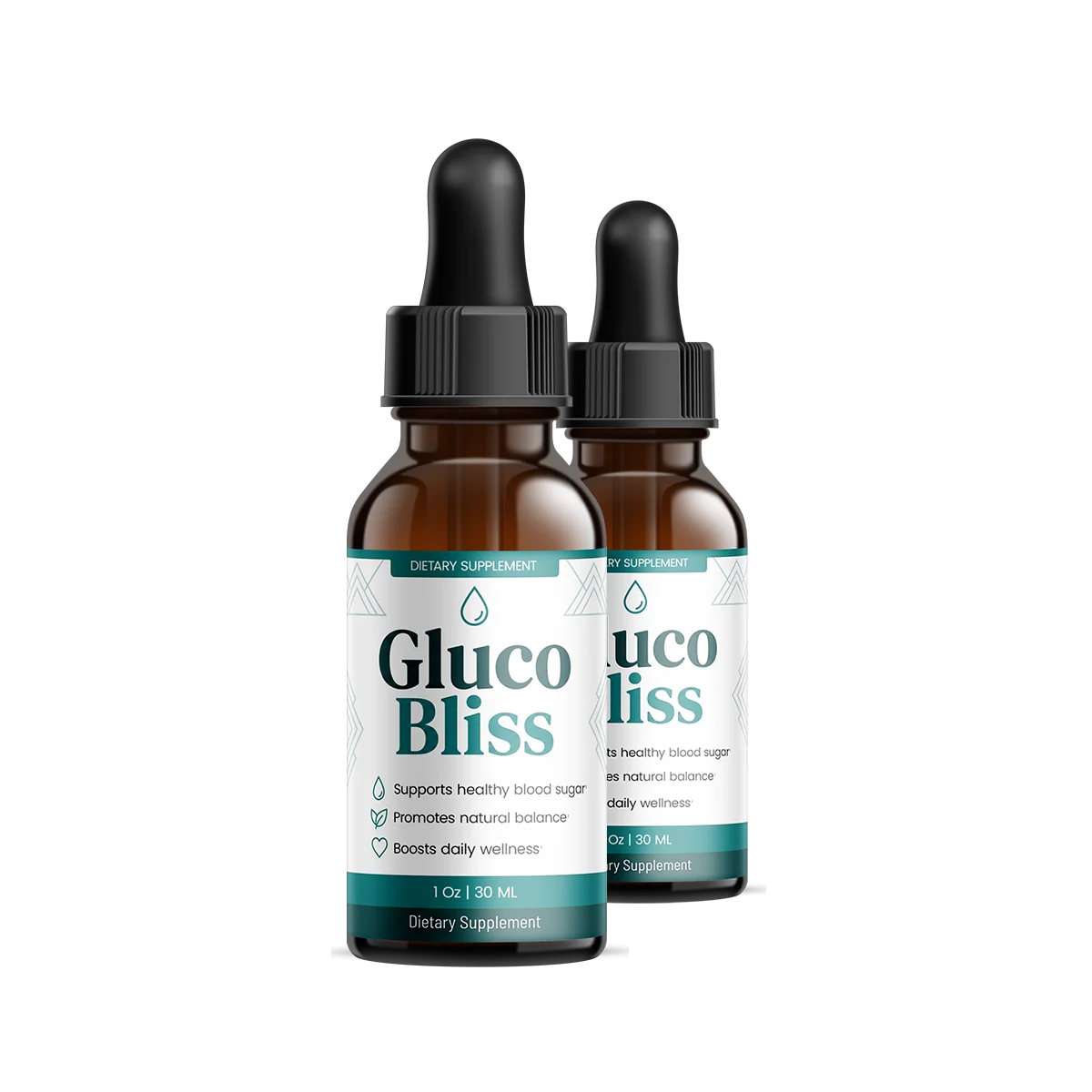
GlucoBliss is a once-daily liquid blood-sugar support formula — a simpler routine than timing three separate 500mg capsules around every meal.
Order GlucoBlissHow to start a berberine 500mg dosage without the stomach upset
The most common reason people quit berberine is digestive discomfort in the first week or two, and it is almost always avoidable by starting low. Here is a sensible ramp:
- Week 1: 500mg once daily, before your largest meal. See how you feel.
- Week 2: if all is well, add a second 500mg dose before another meal (1,000mg total).
- Week 3 onward: if you and your doctor want the upper range, add a third 500mg dose (1,500mg total).
Take each dose with food or water, and if symptoms appear, drop back to the last dose you tolerated and hold there. There is no prize for rushing to the top of the range. Your gut adapts, and a dose you can actually stick with beats an aggressive one you abandon in ten days.
Two common objections, answered honestly
"Isn't 500mg once a day pointless, then?" No. It is a legitimate entry dose and, for some people, enough on its own. It is simply at the low end of what the research used, so treat it as a floor you can build from rather than a ceiling. Plenty of people do well staying at a lower total, especially when it is stacked with diet and movement.
"Should I just megadose to get faster results?" No. Berberine does not work faster at higher doses; it works more uncomfortably. The half-life issue means a huge single dose is largely wasted, and the digestive side effects scale up long before any extra benefit does. Steady, split, well-timed dosing is what the evidence supports.
Where GlucoBliss fits
Not everyone wants to run a three-capsules-a-day schedule for the rest of their life, and adherence is where most supplement plans quietly fail. GlucoBliss takes a different route: a once-daily liquid dropper that folds several studied botanicals into one convenient step. It is not a berberine megadose in disguise, and it does not pretend to be a drug. It is a support option built for people who want a simple, sustainable routine rather than a pill organiser. If you are already taking a standalone berberine product, our page on how to take GlucoBliss explains how the dropper format works day to day so you can decide what fits your life.
Berberine can lower blood sugar and interacts with several medications, including some for diabetes, blood pressure and blood clotting. This article is educational and not medical advice. Confirm any berberine 500mg dosage with your doctor before starting, and monitor your glucose as advised. Dietary supplements are not intended to diagnose, treat, cure or prevent any disease.
Frequently asked questions
How much berberine should I take daily?
Most human studies use a total of 900 to 2,000mg of berberine per day, split into two or three doses. A very common protocol is 500mg two or three times daily. Because tolerance varies, many people start at 500mg once a day for a week, then build up, and never exceed 2,000mg daily without medical supervision.
Is 500mg of berberine enough?
A single 500mg dose is a reasonable starting point and is roughly one-third of a typical daily total. Most of the research behind berberine used higher daily amounts, usually 1,000 to 1,500mg spread across the day. So 500mg once daily is a sensible entry dose, but most protocols build up to 500mg taken two or three times a day.
Should I split berberine doses?
Yes, splitting is standard practice. Berberine has a short half-life, so a single large dose clears quickly and can be harder on the stomach. Taking 500mg two or three times a day keeps levels steadier, matches how most studies dosed it, and reduces the digestive upset that a single big dose is more likely to cause.
When should I take berberine for blood sugar?
Take berberine about 20 to 30 minutes before your main meals, so it is active while your body processes the food. Spreading it across breakfast, lunch and dinner lines the doses up with the meals that raise blood sugar most. Always take it with water and never on a completely empty stomach if it upsets you.
Related reading
References

One dropper, no pill schedule
Trade three-times-a-day capsule timing for a once-daily blood-sugar support formula, backed by a 60-day money-back guarantee.
Order GlucoBliss Now