Berberine HCl: What It Is and How to Take It
What is berberine HCl?
Berberine HCl is berberine bound to hydrochloric acid to form berberine hydrochloride, a stable yellow crystalline powder. It is the form nearly every supplement uses and nearly every clinical trial has studied, so the milligram figure on a label tells you what goes into your daily routine.
- HCl is the most studied, most stable and most cost-effective salt of berberine.
- Honest labels list a milligram amount of berberine HCl per serving, not a hidden blend.
- Reading that number lets you avoid underdosed products and compare like with like.
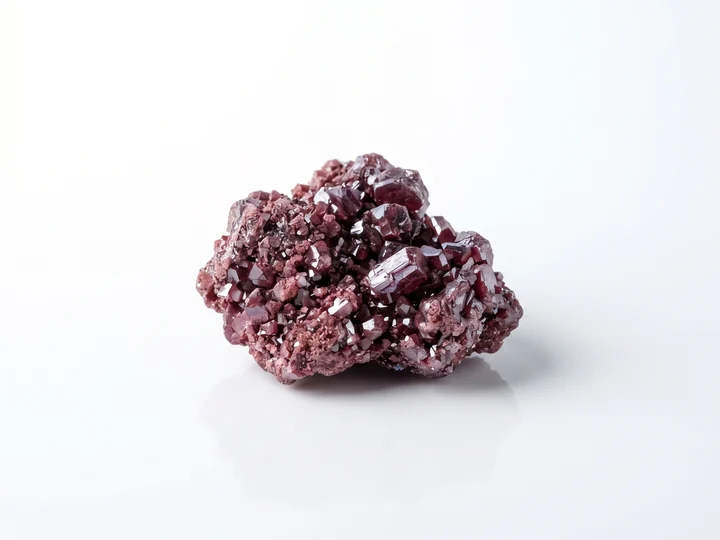
Berberine HCl, defined without the jargon
Start with the plant compound. Berberine is a bright-yellow alkaloid that shows up in a handful of traditional botanicals — barberry, goldenseal, Oregon grape root, tree turmeric. On its own, isolated berberine is awkward to work with: it is not especially stable in the open air, it does not weigh out into neat, repeatable doses, and it is expensive to handle in a pure state. So chemists do what they do with a great many active compounds. They pair it with an acid to make a salt, and the salt they reach for first is hydrochloride.
That is all berberine HCl is: berberine joined to hydrochloric acid to make berberine hydrochloride, a dry, stable, canary-yellow crystalline powder. The pairing does not create a different active ingredient. When the capsule dissolves in your gut, the salt separates back into berberine and chloride, and it is the berberine your body sees. The HCl exists for the journey from raw material to finished capsule, not for the biology at the other end.
This matters because “berberine HCl” is the phrase you will actually meet in the wild. When a product says it contains 500 mg of berberine, in almost every case that figure is 500 mg of berberine HCl. When a study reports a dose, it is usually reporting berberine HCl. The salt form is the common currency of the entire category, which is why understanding it is the fastest way to read the whole shelf.
Berberine vs berberine HCl: what the salt actually changes
The honest answer is: less than the marketing on either side would have you believe, but not nothing. Three real differences are worth holding in your head.
Weight. The hydrochloride part has mass. So 500 mg of berberine HCl is not 500 mg of pure berberine base — a slice of that figure is the chloride. The difference is modest and, crucially, it is consistent, because the research and the labels both speak in berberine HCl. As long as you compare HCl to HCl, you are comparing like with like. Problems only creep in when a product quietly switches to reporting the “base” weight to make a number look bigger, which is one more reason to read the exact wording.
Stability. This is the salt’s quiet superpower. A stable crystalline powder survives shipping, warehousing and a bottle sitting on your counter far better than a finicky free compound. Stability is not glamorous, but it is the difference between a label that is still true a year after manufacture and one that is optimistic fiction.
Absorption. Here is where the newer forms enter the story. Berberine HCl is famously poorly absorbed — a large fraction of a dose never makes it into circulation. That is precisely why alternative forms exist, and why the timing and splitting of doses gets so much attention. If you want the fuller comparison, our explainer on dihydroberberine versus berberine and which absorbs better walks through what the reduced form changes and what it costs. For most people, though, the well-studied HCl form at a sensible split remains the reference standard.
Why nearly every supplement uses berberine hydrochloride
Put the three differences together and you can see why berberine hydrochloride became the default, almost to the point of being invisible. A manufacturer needs a raw material that arrives the same every time, weighs to an exact milligram, does not degrade on the shelf, and can be matched to the amounts used in published human research. Berberine HCl checks every one of those boxes and does it cheaply. The alternatives are either newer and pricier or less thoroughly studied.
There is also a labelling reason, and it is the one buyers should care about most. Because HCl is standardised, an honest brand can print an exact figure — “berberine HCl, 500 mg” — and stand behind it. A vague ingredient name buried inside a proprietary blend cannot make that promise. The salt form is what makes a truthful, comparable number possible in the first place.
None of this means berberine HCl is the only respectable choice, or the right choice for everyone. It means it is the baseline: the form the evidence is built on and the one against which the fancier options have to justify their price. If you are just starting to make sense of the category, learning to spot a clean berberine HCl figure is the single most useful skill you can pick up.
Prefer a once-daily, label-transparent routine?
GlucoBliss takes the botanical route to daily blood-sugar support — a liquid you dose once, with the panel printed for you to read.
Order NowHow to read berberine HCl milligrams on a label
This is where the theory earns its keep. Here is the exact sequence we use on any bottle that claims a berberine content.
- Find the words, then the number. Look for “berberine HCl” or “berberine hydrochloride” followed by a milligram figure. If the number is there, you have real information. If berberine is only named inside a proprietary blend with a single total weight, you cannot tell how much is berberine and how much is everything else — that is a design choice, and rarely one that favours you.
- Read per serving, then per day. A label might say 500 mg per capsule, one capsule, three times daily. That is 1,500 mg a day, not 500. Trial-level intakes are usually reached across two or three doses, so the daily total is the figure that matters — and it is the one marketing likes to leave you to work out yourself.
- Check whether it is HCl or base. If a label brags about a berberine figure but quietly specifies “base” equivalent, know that you are reading a different measuring stick. Compare HCl to HCl.
- Look for a standardisation claim. Reputable berberine HCl is typically standardised to a high purity. A number with no context is weaker than the same number with a stated standardisation.
Do this two or three times and it becomes automatic. The whole point of the exercise is to stop paying for a name and start paying for an amount. For the numbers themselves, our berberine dosage guide built around the 500 mg serving lays out how the common amounts add up across a day.
Three myths about berberine HCl, answered
Myth one: “HCl is the cheap, inferior form.” Cheap, yes. Inferior, no — not in the sense that matters. HCl is inexpensive precisely because it is easy to make well and easy to standardise, and it is the form on which the human evidence rests. Cost is not the same as quality here. The newer forms compete on absorption, not on being a “better berberine.”
Myth two: “More milligrams is always better.” Berberine is a compound where taking a larger single dose does not smoothly translate into a bigger effect, and it is notorious for causing stomach upset when you push it. The research pattern is to split the daily amount and take it around meals, not to swallow it all at once. Amount matters; so does how you spread it.
Myth three: “If a label names berberine, that is good enough.” A name is not a dose. This is the myth that costs people the most money, because a product can list an impressive-sounding ingredient inside a blend and give you a fraction of a research amount. The named ingredient is the promise; the printed milligram figure is the delivery. Only one of them is enforceable.
Where a formula like GlucoBliss fits
We should be straight with you, because this is an independent site and honesty is the whole product. GlucoBliss is not a berberine tablet. It is a liquid blood-sugar-support formula built around chromium plus a botanical blend — gymnema, green tea, maca, African mango, ginseng and more — taken as a single daily dropperful. If your heart is set on a high-dose berberine HCl regimen split three times a day, a dedicated berberine capsule is the more literal tool for that job.
What GlucoBliss offers instead is a different trade. Some people do not want to manage two or three berberine doses a day, do not love the gastrointestinal edge that berberine can bring, and would rather take one measured liquid serving and be done. For them, a once-daily botanical approach is the more realistic habit — and a habit you actually keep beats a stronger one you abandon by week three. If you want the same label-reading discipline applied to this formula, our breakdown of what is inside the GlucoBliss formula and at what disclosed amounts gives it the identical scrutiny we just applied to a berberine panel. Whichever route you choose, the skill is the same one this article is about: read the amount, not the name.
Related reading
Read the amount, not just the name
GlucoBliss prints its panel so you can apply exactly the checks in this article. One dropperful daily, 60-day money-back guarantee at the official store.
Order NowFrequently asked questions
What is berberine HCl?
Berberine HCl is berberine bound to hydrochloric acid to form a stable salt, berberine hydrochloride. Berberine itself is a bright-yellow plant compound found in barberry, goldenseal and Oregon grape. The HCl form is the crystalline powder that supplement makers weigh, capsule and put on a label, so almost every berberine milligram figure you see refers to berberine HCl.
Is berberine HCl the same as berberine?
Almost. Berberine HCl is berberine plus a hydrochloride salt that makes it stable and easy to dose. The hydrochloride part adds a little weight, so the milligram figure on the label is the whole salt, not pure berberine alone. In practice the difference is small, and berberine HCl is the form nearly all human research has used, so it is the sensible reference point.
Why do supplements use berberine hydrochloride?
Because it is the most studied, most stable and most cost-effective form. As a salt, berberine hydrochloride is a consistent crystalline powder that resists degradation, weighs reliably and can be standardised to an exact milligram amount. That makes it easy to manufacture, easy to label honestly and easy to match to the doses used in published trials.
How do I read berberine HCl on a label?
Look for a stated milligram amount next to the words berberine HCl or berberine hydrochloride, not a proprietary blend total that hides it. Note the amount per serving and the servings per day, because trial-level intakes are usually reached across two or three doses. If the label only names berberine inside a blend without a milligram figure, you cannot tell how much you are actually getting.
Should I take berberine HCl at the same time every day?
Many people pick set meal times so the routine is easy to repeat. Check the serving size on your label and keep your timing steady from day to day.