GlucoBliss Ingredients: What Each Dropperful Holds
What are the GlucoBliss ingredients?
The GlucoBliss ingredients are chromium (7 mcg) plus a 15.47 mg proprietary blend of twenty-one botanicals, led by maca and including gymnema, green tea, Panax ginseng, African mango and guarana. It is a once-daily liquid, one dropperful per serving. The blend is listed as one total, so the label shows the two printed amounts, chromium and the blend.
- Two figures are printed: chromium at 7 mcg and a 15.47 mg proprietary blend.
- Gymnema, green tea, chromium and Panax ginseng are the glucose-relevant headliners.
- Berberine, Ceylon cinnamon and alpha-lipoic acid are not on the label.
If you are weighing up whether to buy, the smartest thing you can do first is understand the GlucoBliss ingredients — not the marketing around them, but what is genuinely printed on the Supplement Facts panel and what the research says each one does for glucose. That is what this page is for. We will walk through every meaningful ingredient, explain its mechanism in plain language, and be honest about the one thing that shapes everything else: the doses inside the blend are not individually disclosed. Read to the end and you will be able to judge the formula for yourself instead of taking anyone’s word for it.
The two numbers GlucoBliss actually prints
Before the ingredient list, understand the structure. GlucoBliss declares exactly two amounts. The first is chromium, as chromium picolinate, at 7 mcg — 20% of the adult Daily Value. The second is a line reading Proprietary Blend, 15.47 mg, followed by twenty-one ingredient names and no figures between them. US labelling allows this: a blend can be declared by total weight with its components listed in descending order of predominance, and no individual amounts.
That descending order is a genuine, free clue. It tells you maca root extract is the single largest component and L-carnitine is the smallest. What it cannot tell you is the shape of the curve — whether the blend is mostly its top ingredient with slivers of everything else, or twenty-one near-equal parts. We covered that arithmetic in full in our piece on what a 15.47 mg proprietary blend can physically hold, and it is worth reading alongside this one.
The glucose-relevant GlucoBliss ingredients
Gymnema sylvestre — the “sugar destroyer”
Gymnema is the ingredient most directly tied to blood sugar. Its leaves contain gymnemic acids that temporarily blunt sweet taste on the tongue — a genuinely odd, verifiable effect — and in the wider literature it has been studied for supporting insulin secretion and glucose uptake. Trials typically use gram-scale leaf powder or standardised extract over months. It is one of the better-tolerated blood-sugar botanicals, and its presence is a large part of why GlucoBliss sits in the blood-sugar category at all.
Chromium picolinate — the one disclosed dose
Chromium is a trace mineral that plays a role in how insulin signals cells to take in glucose. It is the only ingredient with a printed amount: 7 mcg, or 20% of the Daily Value. Worth knowing honestly — most chromium research on glycaemic markers used amounts many times higher than 7 mcg, so this is a nutritional top-up rather than a study-sized dose. The mechanism is real and the safety record is good. We go deeper into it in our guide to chromium and alpha-lipoic acid for blood sugar and insulin sensitivity.
Green tea extract — catechins and metabolism
Green tea extract supplies catechins, plant compounds studied for their role in metabolism and fat oxidation, with some research touching on glucose handling. In standalone trials it is generally used in the hundreds of milligrams and standardised to a stated catechin content. Inside a 15.47 mg blend shared twenty-one ways, the amount here is necessarily far smaller than those study doses — a recurring theme worth keeping front of mind.
Panax ginseng — the adaptogen with glucose research
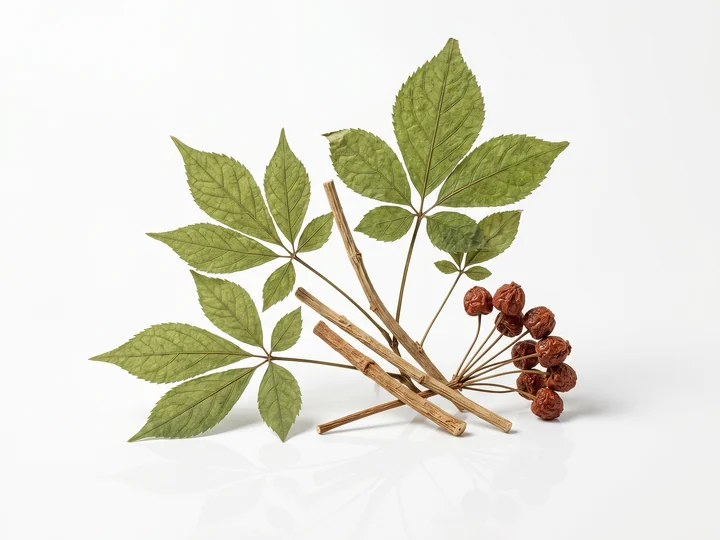
Panax ginseng is an adaptogenic root with a long traditional history and a modern research base examining glucose handling, energy and fatigue. It is one of the ten botanicals on the label marked as a 20:1 concentrate, meaning twenty parts of raw root were reduced to one part of extract — which raises the raw-herb equivalent, though still inside the same shared total.
The metabolism and support ingredients
Several GlucoBliss ingredients lean more toward weight and metabolism than glucose specifically, which tells you something about how the formula was designed.
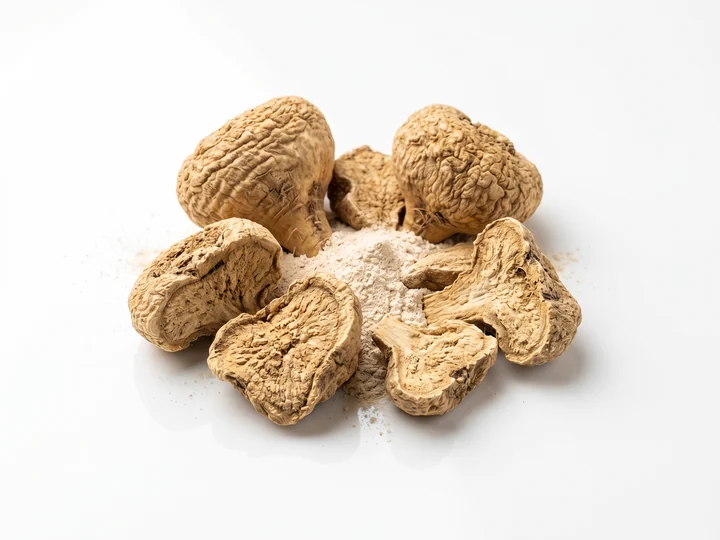
Maca root extract is listed first, so it is the largest single component of the blend. Maca is an energy and stamina adaptogen rather than a blood-sugar agent per se. African mango seed extract, carried at a 10:1 ratio, is marketed around appetite and metabolic support. Guarana seed extract is worth flagging clearly: it is a natural caffeine source, which matters if you are sensitive to stimulants or already consuming caffeine elsewhere. There is also a cluster of amino-acid-type ingredients — L-glutamine, L-tyrosine, L-arginine, beta alanine, L-tryptophan and L-carnitine — plus GABA and raspberry ketones, which round out an energy-and-metabolism supporting cast rather than adding glucose-specific evidence.
See the full label for yourself
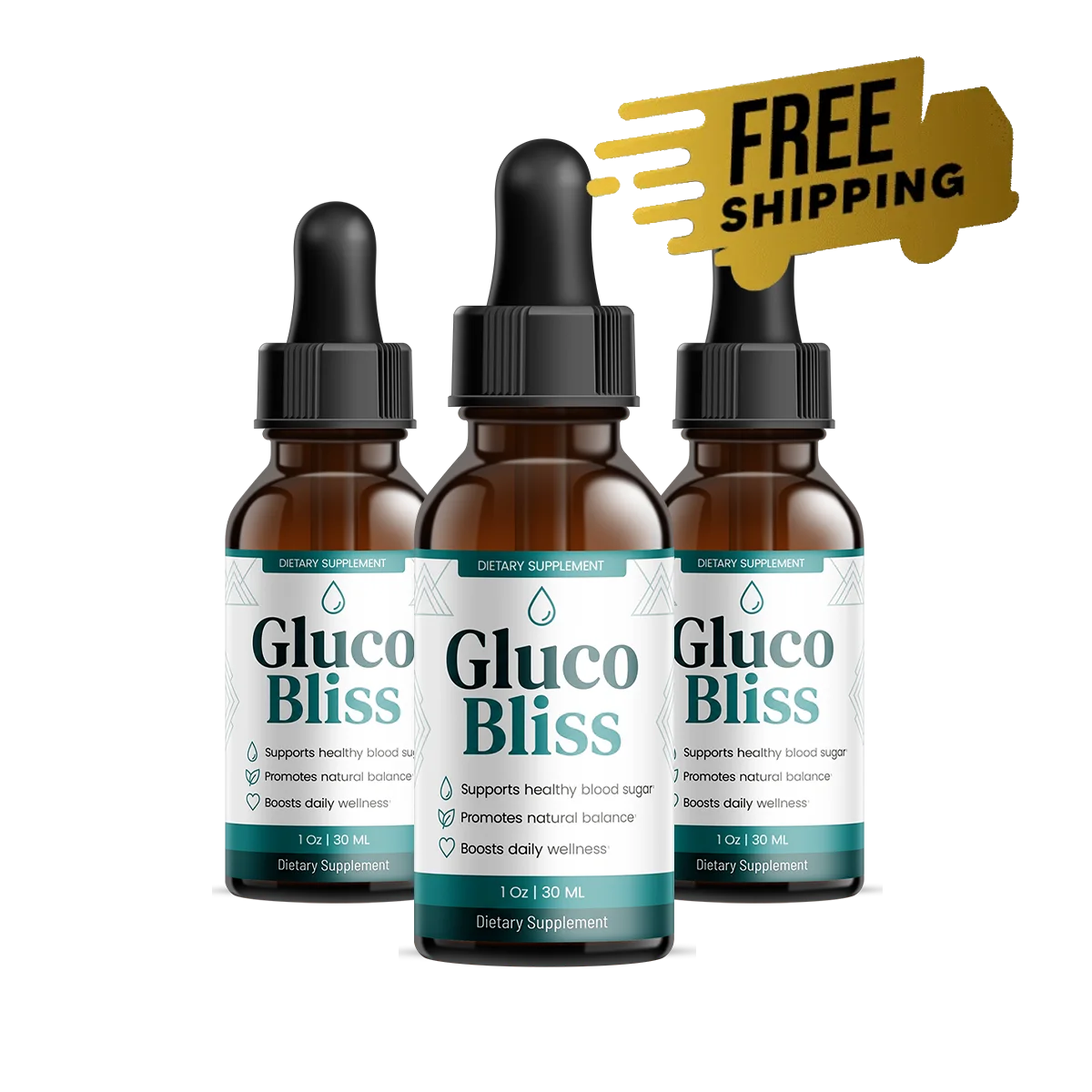
One dropperful a day, 30 servings a bottle, gymnema and chromium included — at the official store with a 60-day money-back guarantee.
Order NowIs there berberine in GlucoBliss? The honest answer
This comes up constantly, so we will be blunt: no, berberine is not a GlucoBliss ingredient. Neither is Ceylon cinnamon nor alpha-lipoic acid. Those three are among the most evidence-backed blood-sugar supplements available, so their absence is a fair thing to know before you buy. If berberine specifically is what you came for, GlucoBliss is not the product, and you would be better served by a standalone. Our detailed write-up on berberine benefits for blood sugar and the trial evidence lays out exactly what that ingredient does and why it is rated so highly. We would rather point you there than sell you the wrong bottle.
What the proprietary blend means for you
Here is the single most useful lens for reading GlucoBliss ingredients — or any combination supplement. Because the blend total is printed at 15.47 mg and shared across twenty-one ingredients, no single one can exceed that ceiling, and an equal split would give each about 0.74 mg. The 20:1 extract markers on ten of the botanicals raise the raw-herb equivalent, which is a fair and real point in the formula’s favour. But it does not tell you the split, and it does not close the gap to the gram-scale doses used in much of the human research. That is not an accusation; it is arithmetic you can run on any shelf. GlucoBliss is more transparent than many blends because it at least discloses the chromium amount and the extract ratios — credit where it is due.
So should the ingredients sway your decision?
If you want a convenient, guarantee-backed daily liquid that includes gymnema and chromium — two ingredients with a real place in blood-sugar support — plus a supporting cast of metabolism botanicals, GlucoBliss is a reasonable single-bottle option, provided you treat it as support rather than treatment. If your decision hinges on getting a study-sized dose of one specific ingredient, a proprietary blend is not the format for that, and you should read our honest GlucoBliss review of whether it works before deciding. Either way, you now know what is inside — which is more than the sales page tells you.
Related reading
Frequently asked questions
What is in GlucoBliss?
GlucoBliss prints two amounts on its Supplement Facts panel: chromium at 7 mcg, and a proprietary blend of 15.47 mg containing twenty-one ingredients. That blend includes maca, gymnema, green tea, Panax ginseng root, African mango and guarana, alongside a group of amino acids and GABA. It is a once-daily liquid taken as one dropperful, with 30 servings per bottle.
How do GlucoBliss ingredients lower blood sugar?
The ingredients act through several mechanisms studied in the wider literature: chromium supports insulin signaling, gymnema is studied for insulin output and glucose uptake, green tea provides catechins linked to metabolism, and Panax ginseng has been examined for glucose handling. GlucoBliss is a dietary supplement, not a medication, and it is not intended to diagnose, treat, cure or prevent any disease.
Is there berberine in GlucoBliss?
No. Berberine is not listed on the GlucoBliss label. The formula relies on gymnema, green tea, chromium, Panax ginseng and other botanicals instead. If berberine specifically is your priority, a standalone berberine product is a better fit, and our separate articles cover berberine and its evidence in detail.
Are GlucoBliss ingredients backed by research?
Several ingredients, including chromium, gymnema, green tea and Panax ginseng, have human research examining their effects on glucose and metabolism. The important caveat is dose: GlucoBliss uses a proprietary blend printed at 15.47 mg total across twenty-one ingredients, so the amount of each is not disclosed and cannot be directly compared to the doses used in studies.
What is in one dropperful of Gluco Bliss?
One dropperful holds chromium at 7 mcg and the 15.47 mg blend of twenty-one botanicals, led by maca. It is taken once daily.
Ready to try the formula?
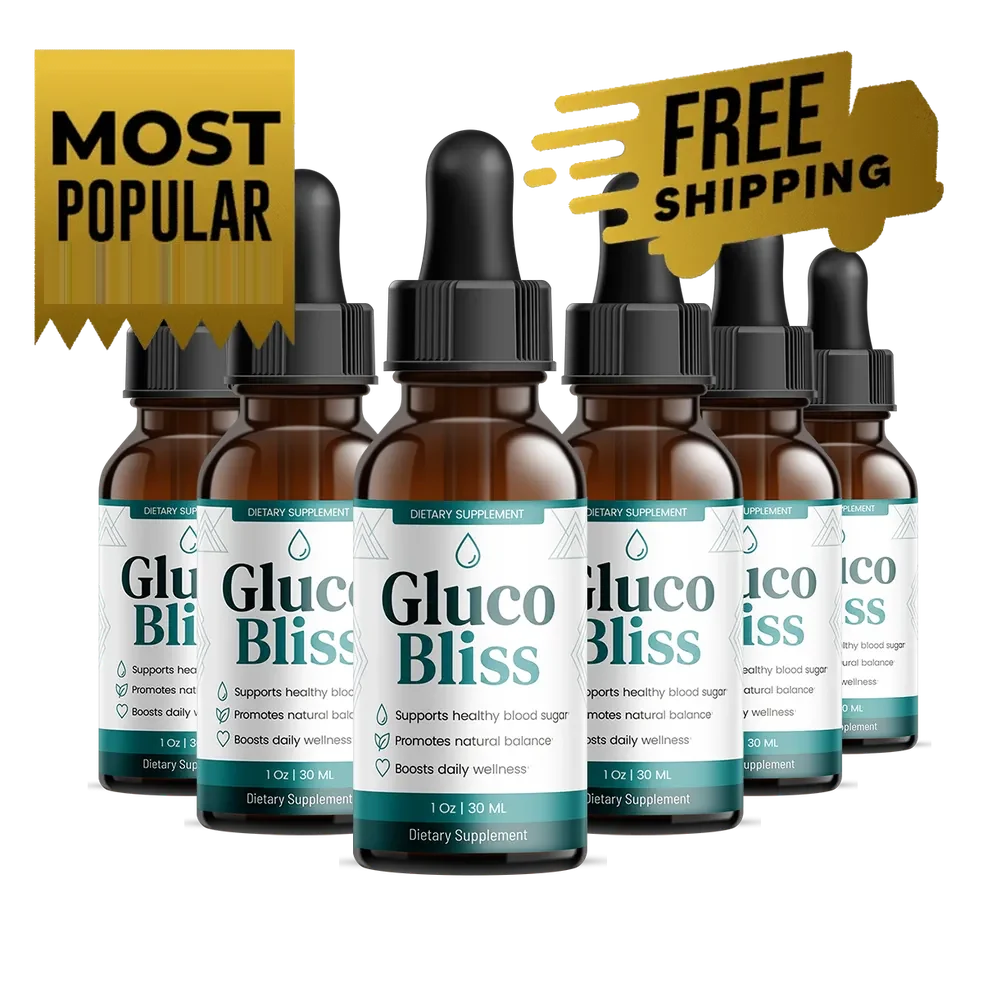
Now that you know exactly what is inside, you can decide on your own terms. GlucoBliss ships from the official store with a 60-day money-back guarantee.
Order NowReferences
- eCFR 21 CFR 101.36 — Nutrition labeling of dietary supplements
- NIH Office of Dietary Supplements — Chromium fact sheet for health professionals
- NIH NCCIH — Green Tea
- NIH NCCIH — Asian (Panax) Ginseng
- FDA — Spilling the Beans: how much caffeine is too much?
- FDA — Dietary Supplements: what they are and how they are regulated