The GlucoBliss 15.47 mg Proprietary Blend, Explained
The short version
The GlucoBliss proprietary blend totals 15.47 mg, printed beside chromium at 7 mcg. Because the blend total is printed, it is a ceiling for all twenty-one ingredients in it, which share that amount between them. That is simple division from the label.
- The blend total, 15.47 mg, caps every component in it. This follows from the label alone.
- Ten botanicals are marked as 20:1 concentrates and one as 10:1, which raises the raw-herb equivalent but not without limit.
- Ten entries carry no ratio marker at all — ginseng root, raspberry ketones, monoammonium glycyrrhizinate, GABA and six amino-acid-type ingredients.
Two numbers, and what they force
The GlucoBliss Supplement Facts panel prints exactly two amounts. One is chromium, as chromium picolinate, at 7 mcg — 20% of the adult Daily Value. The other is a line reading Proprietary Blend, 15.47 mg, followed by twenty-one ingredient names and not a single figure between them.
That second number is more useful than it looks, because a printed blend total is a constraint. Whatever the split between those twenty-one ingredients turns out to be, the parts have to sum to the whole. So:
- No individual ingredient in the blend can exceed 15.47 mg. Not gymnema, not green tea, not maca.
- If the blend were divided equally, each of the twenty-one would get about 0.74 mg.
- Any ingredient that gets meaningfully more than that has to take it from the other twenty.
None of that is an estimate of the formula. It is division applied to a figure the manufacturer chose to print, and you can run it on any blend on any shelf.
The descending-order rule gives you a ranking, not a quantity
US labelling requires the components of a proprietary blend to be listed in descending order of predominance by weight. That is a genuine piece of information and it is free: on this label it tells you maca root extract is the largest single component of the twenty-one, and L-carnitine HCl the smallest.
What it cannot tell you is how steep the drop is. A blend can be 14 mg of its first ingredient and traces of everything after it, or it can be twenty-one near-equal slivers. Both satisfy the same label. The ranking is real; the shape of the curve is invisible.
Extract ratios: the manufacturer's best argument, taken seriously
This label does something most proprietary blends do not, and it deserves credit for it. Ten of the botanicals carry a caret marking them “sourced from a concentrate with a 20:1 extract equivalent”, and African mango carries a separate marker for 10:1.
A 20:1 concentrate means twenty parts of raw plant were reduced to one part of extract. So a milligram of that extract is offered as standing in for twenty milligrams of raw herb. Taken at face value, the whole 15.47 mg blend at 20:1 would represent something on the order of 300 mg of raw plant material — still shared across twenty-one ingredients, and still a long way from the doses in the human literature, but a materially different picture from 15 mg of dried leaf powder. It is a fair point and it belongs in the argument.
Three qualifications keep it honest. First, an extract ratio describes concentration, not standardisation to any particular active compound, so two 20:1 extracts of the same plant need not contain the same amount of the thing being studied. Second, the ratio applies to eleven of the twenty-one entries and no further: ginseng root, raspberry ketones, L-glutamine, L-tyrosine, L-arginine, beta alanine, monoammonium glycyrrhizinate, GABA, L-tryptophan and L-carnitine HCl carry no marker at all. Third, and decisively, the ratio does not tell you the split — it scales an unknown.
What the research doses look like, for scale
The point of the comparison below is scale, not a verdict on GlucoBliss. Nobody can say what GlucoBliss contains of any of these, because that is precisely what is not disclosed.
- Gymnema is generally studied at gram-scale leaf powder or standardised extract doses taken daily over months.
- Green tea extract trials commonly run in the hundreds of milligrams a day, typically standardised to a stated catechin content.
- Chromium picolinate work on glycaemic markers has generally used amounts two to three orders of magnitude above the 7 mcg on this label — see the NIH Office of Dietary Supplements fact sheet linked below.
Hold those next to a 15.47 mg total shared twenty-one ways and the gap is the story. That is not an accusation. It is the reason a printed amount matters and a named ingredient does not.
Two ingredients worth knowing about regardless of amount
Amount is not the only thing that matters. Two entries in this blend are worth a sentence each because of what they are, and neither appears anywhere in the sales copy.
Guarana seed extract is a caffeine source. It sits on a label whose sales page advertises the formula as being without artificial stimulants — a phrase that leans on the word artificial. If you are sensitive to caffeine, or you already take something that contains it, you would want to know.
Monoammonium glycyrrhizinate is a liquorice derivative, used as a sweetener and flavour. Sustained glycyrrhizin intake is relevant to blood pressure and to potassium, and that is worth raising with a clinician if you take medication for either.
How to run this check on any label
- Find the blend line and read its total. If there isn't one, you have less information than this label gives you, not more.
- Count the ingredients inside it, then divide. That average is your realistic upper bound for anything below first place.
- Check for extract-ratio markers and note which ingredients do not carry them.
- Look up one ingredient you care about and find the dose its human research used. Compare orders of magnitude, not exact figures.
- Email the seller and ask for the milligrams of that one ingredient. The answer, or the absence of one, is itself informative.
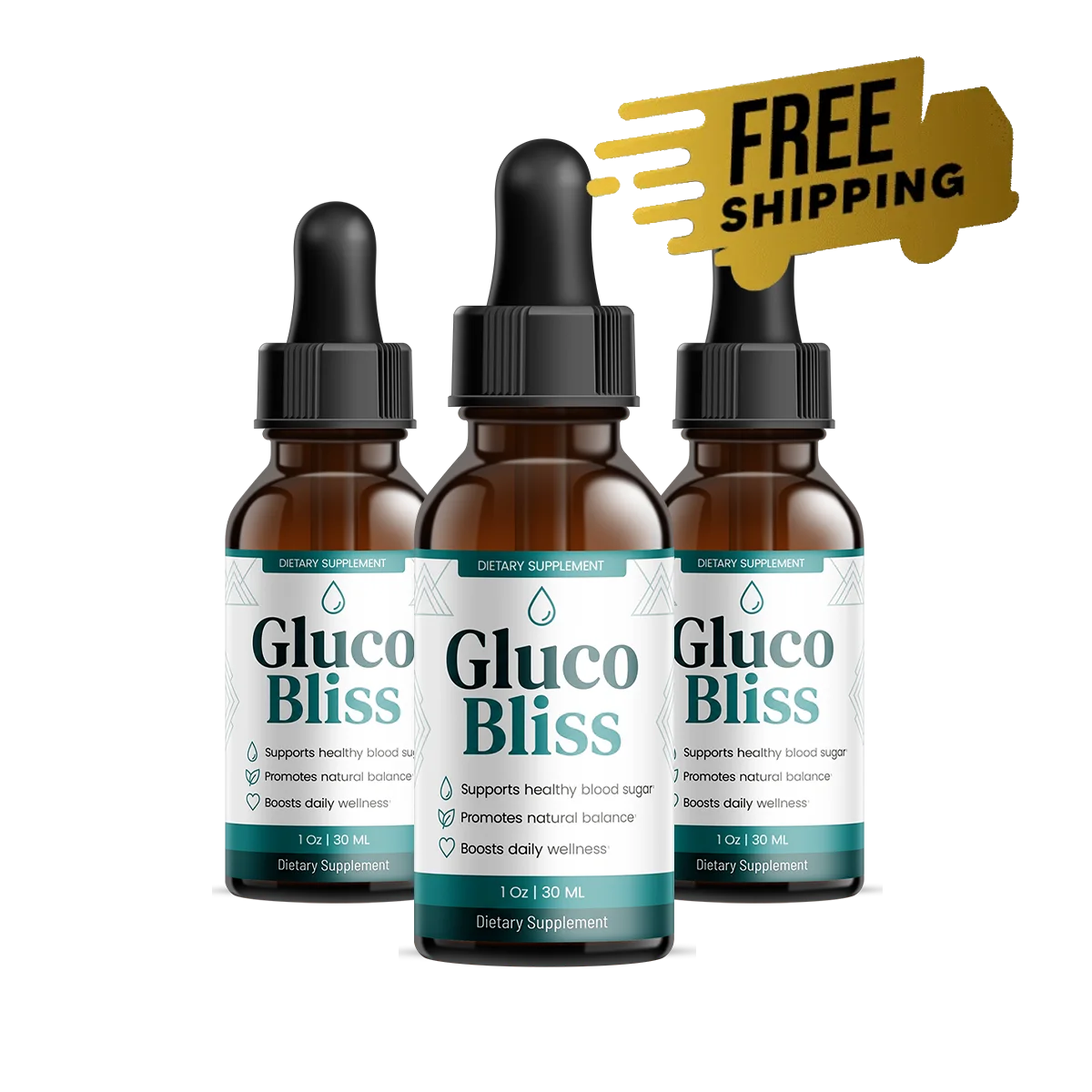
The label this article is about
The full panel is typeset on the main page, row by row, with every “not disclosed” the manufacturer left in it.
Order NowFrequently asked questions
Is a proprietary blend allowed to hide amounts?
Yes. US supplement labelling permits a blend to be declared by total weight with its components listed in descending order of predominance and no individual amounts. It is legal, it is common, and it is also the reason you cannot compare the product to the research on its ingredients.
Does the descending-order rule tell me anything useful?
A little. It means maca is present in the greatest amount of the twenty-one and L-carnitine HCl in the least. It gives you a ranking, not a quantity, and a ranking cannot be compared to a trial dose.
What does "20:1 extract equivalent" mean?
That twenty parts of raw plant material were concentrated into one part of extract. So one milligram of a 20:1 extract is presented as equivalent to twenty milligrams of the raw herb. It is a real and meaningful distinction — and it still operates inside the same 15.47 mg total.
How much of each ingredient is in the GlucoBliss blend?
The label prints one total of 15.47 mg for the whole blend of twenty-one ingredients, so each one is a share of that amount.
References
- FDA — Dietary Supplements: what they are and how they are regulated
- eCFR 21 CFR 101.36 — Nutrition labeling of dietary supplements
- NIH Office of Dietary Supplements — Chromium fact sheet for health professionals
- NIH NCCIH — Green Tea
- NIH NCCIH — Licorice Root
- FDA — Spilling the Beans: how much caffeine is too much?