Chromium and Alpha-Lipoic Acid for Blood Sugar Support
Do chromium and alpha-lipoic acid help blood sugar?
Chromium and alpha-lipoic acid are supporting nutrients for blood sugar: chromium helps insulin work and may support fasting glucose in people who are low in it, while alpha-lipoic acid is an antioxidant studied for glucose metabolism and nerve comfort. Both are best used alongside diet, movement and other actives such as berberine.
- Chromium supports insulin action; benefits are largest in people who are deficient.
- Alpha-lipoic acid (ALA) targets oxidative stress and insulin sensitivity; research doses run high.
- They act on different pathways from berberine, so many people combine all three — with a clinician’s sign-off if on medication.
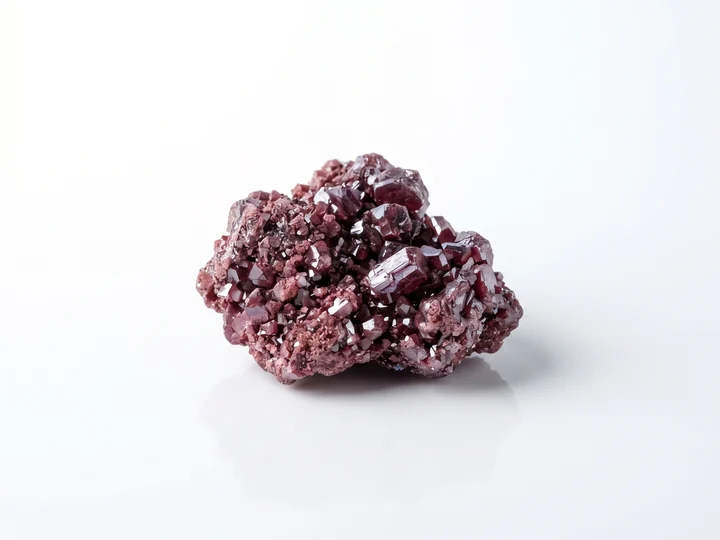
Berberine gets the headlines, but two quieter ingredients keep turning up on blood-sugar labels for a reason: chromium and alpha-lipoic acid. Anyone comparing formulas quickly runs into the same question — when it comes to chromium, alpha-lipoic acid and blood sugar, is there actually evidence, or are these just filler minerals padding an ingredient list? The honest answer sits in the middle. Neither is a miracle, and neither works like a drug, but both have legitimate mechanisms and a body of human research, and both do something berberine does not, which is why thoughtful formulas often use them together rather than picking one. This article lays out what each nutrient does, how strong the evidence really is, how they complement berberine and cinnamon, and exactly which of them appears on the GlucoBliss label — without pretending the ones that don’t are there.
Chromium and blood sugar: what the evidence shows
Chromium is an essential trace mineral, which means your body needs it and cannot make it. Its job in glucose metabolism is specific: chromium helps insulin bind to its receptors and move glucose into cells more efficiently. When you are short on it, insulin works less smoothly — and that is the group in which supplementation tends to show the clearest benefit.
In the research, chromium (usually as chromium picolinate, the best-absorbed common form) has been linked to modest improvements in fasting glucose and markers of insulin sensitivity, with the strongest signals in people who started out low in the mineral. The word to hold onto is modest. Results across trials are genuinely mixed, effect sizes are small, and someone who already gets enough chromium from food may see little from more of it. That is not a reason to dismiss chromium — it is a reason to frame it correctly: a supporting nutrient that helps the insulin system run, not a lever that yanks glucose down on its own. Notably, chromium is one of the few blood-sugar ingredients with an official Daily Value, which is why you will often see it disclosed as a precise amount and a percentage on a label rather than buried in a blend.
What does alpha-lipoic acid do for glucose?
Alpha-lipoic acid (ALA) plays a different game. It is a compound your body makes in small amounts, and it is unusual because it is a potent antioxidant that works in both water- and fat-based parts of the cell — giving it unusually broad reach against oxidative stress. That matters for metabolic health because chronically elevated glucose drives oxidative stress, and oxidative stress in turn worsens how cells respond to insulin. ALA steps into that loop.
In human research, ALA has been studied on two fronts. The first is glucose metabolism and insulin sensitivity, where it shows promise but not certainty. The second, and the one it is best known for, is nerve comfort — ALA has a long research history for the tingling and discomfort associated with nerve stress, particularly in Europe where an intravenous form has been used clinically. The honest caveats: much of the strongest nerve data uses higher, sometimes injected doses; oral evidence is softer; and the amounts studied are usually well above what a broad multi-ingredient blend can fit. So ALA earns its place as a mechanistically sound antioxidant with real research behind it — provided you respect that dose is the difference between a studied effect and a token inclusion.
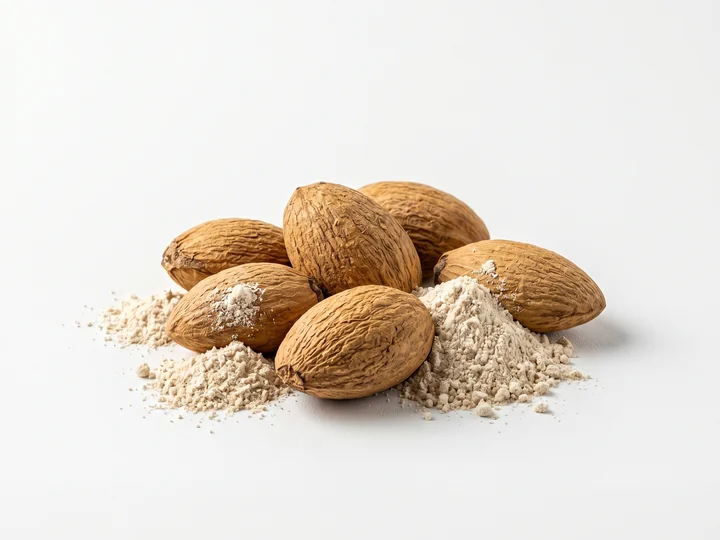
Why chromium, ALA and berberine complement each other
The reason serious blood-sugar formulas rarely rely on a single ingredient is that glucose control is not a single problem. Chromium works at the insulin receptor. ALA works on the oxidative-stress side of insulin resistance. Berberine works upstream on AMPK, the cellular energy switch. Cinnamon adds another angle by slowing carbohydrate digestion and nudging insulin sensitivity. Because these act on different pathways, combining them is a coverage strategy rather than a doubling-up — you are addressing several parts of the same system instead of pushing harder on one.
That is also why so many people stack them. There is no major established interaction between chromium, ALA and berberine, and the pairing of berberine with cinnamon is a popular one we cover in our guide to berberine with Ceylon cinnamon benefits. The one thing that changes when you combine glucose-lowering ingredients is that their effects can be additive — helpful when that is the goal, but a reason for anyone on blood-sugar medication to loop in a clinician before building a stack, so the total effect does not run further than intended. For the bigger comparison of what belongs in a stack, our evidence-ranked roundup of the best supplements to lower blood sugar is the place to start.
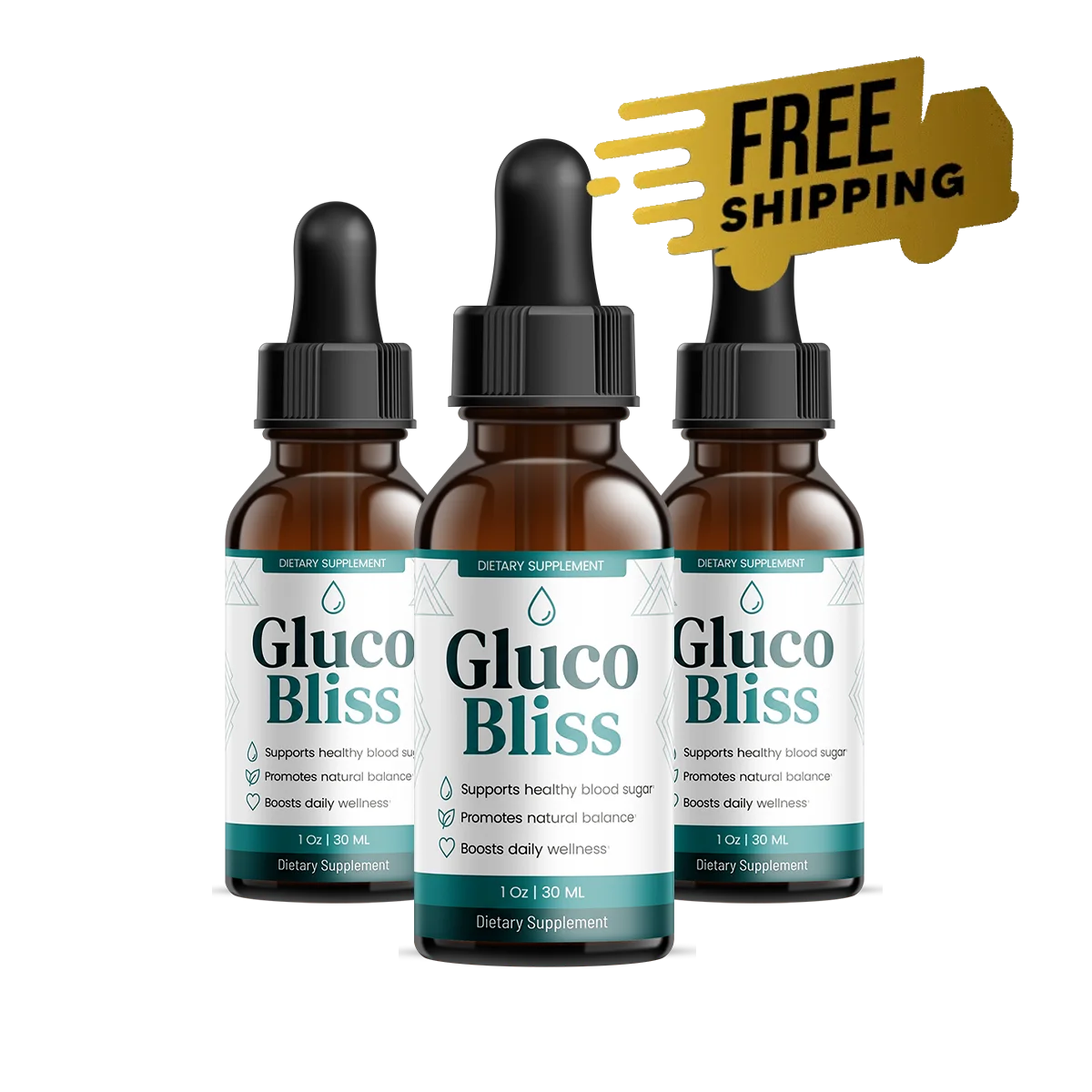
Want chromium disclosed, not hidden?
GlucoBliss prints its chromium amount — 7 mcg as chromium picolinate, 20% of the Daily Value — alongside a botanical blend, in one dropperful a day. See today’s official-store pricing.
Order NowAre chromium and ALA in GlucoBliss? An honest answer
This is where an independent review earns its keep, so here is the label without spin. Chromium: yes. The GlucoBliss Supplement Facts panel discloses 7 mcg of chromium as chromium picolinate — 20% of the adult Daily Value — as a precise, printed amount rather than something folded into a blend. That is a point in its favour, because disclosure is exactly what lets you judge an ingredient at all.
Alpha-lipoic acid: no. ALA is not listed on the current GlucoBliss label. Instead, GlucoBliss pairs its disclosed chromium with a 21-ingredient botanical blend — gymnema, green tea extract, ginseng, maca, African mango and more — declared under a single total rather than ingredient by ingredient. If alpha-lipoic acid specifically is a must-have for you, GlucoBliss is not the formula that delivers it, and you should either look elsewhere or add ALA separately with your clinician’s input. If you want the full component-by-component tour of what is on the label, read our breakdown of the GlucoBliss ingredients, explained. And because that botanical portion is a proprietary blend, it is worth understanding what a printed blend total can and cannot tell you — something we unpack in our analysis of what a 15.47 mg proprietary blend can actually hold.
Three objections, taken seriously
“If the studies are mixed, these ingredients are useless.” Mixed is not the same as useless. Chromium’s benefit concentrates in people who are low in it, and ALA’s clearest wins are dose- and route-dependent. “Works for some people under some conditions” is an honest description of most nutrients — it just is not a marketing slogan.
“More must be better.” Not for chromium. The Daily Value is small, food already supplies some, and megadosing a trace mineral is not a strategy — it is a way to spend money and, at extremes, invite side effects. ALA doses are higher in research, but even there, more is not automatically safer, and stomach upset is common.
“A blend with these means I’m covered.” Only if the amounts are real. A disclosed 7 mcg of chromium tells you something. A named ingredient with no amount tells you almost nothing, which is why the disclosure/non-disclosure line matters more than the ingredient list length.
How to use chromium and ALA sensibly
- Start with food and movement. No mineral or antioxidant outperforms the basics that improve insulin sensitivity across the board.
- Favour disclosed amounts. A printed chromium figure lets you compare to the Daily Value; a hidden one does not. Reward transparency.
- Respect ALA’s dose reality. If ALA is your goal, the amount matters — a trace in a blend is not the same as a studied dose.
- Mind the stack. Combining chromium, ALA and berberine is common and reasonable, but the glucose-lowering effects can add up — clear it with a clinician if you take medication.
- Give it time and measure. Nutrient effects are gradual. Judge with before-and-after labs over weeks, not by how you feel on day two.
Do that, and you will treat chromium and alpha-lipoic acid for what the evidence says they are: sensible, mechanism-backed supporting players in a blood-sugar routine — not the whole team, and not snake oil either.
Related reading

Blood-sugar support with the chromium printed on the label
One dropperful a day, 7 mcg chromium disclosed, botanical blend included, 60-day guarantee at the official store.
Order NowFrequently asked questions
Does chromium help lower blood sugar?
Chromium is a trace mineral that helps insulin do its job, and some studies link chromium supplementation to modest improvements in fasting glucose and insulin sensitivity, especially in people who are low in it. Results are mixed and generally small, so chromium is best seen as a supporting nutrient rather than a standalone fix.
What does alpha-lipoic acid do for glucose?
Alpha-lipoic acid (ALA) is an antioxidant your body makes in small amounts. It has been studied for glucose metabolism and for nerve comfort, and it may support insulin sensitivity and reduce oxidative stress. The evidence is promising but not definitive, and the doses used in research are usually higher than what a general blend provides.
Can I take chromium and ALA with berberine?
Many people combine chromium, alpha-lipoic acid and berberine because they act on different pathways, and no major interaction is established between them. Because each can nudge blood sugar downward, the combined effect may be additive, so anyone on glucose-lowering medication should check with a clinician before stacking them.
Are chromium and ALA in GlucoBliss?
Chromium is: the GlucoBliss label discloses 7 mcg of chromium as chromium picolinate, 20% of the Daily Value. Alpha-lipoic acid is not listed on the current label; GlucoBliss pairs its disclosed chromium with a botanical blend rather than ALA. Check the latest Supplement Facts panel before you buy if ALA matters to you.
Can I take chromium and alpha-lipoic acid every day?
Both are supporting nutrients and are used alongside diet and movement. Follow the label on whatever product you use.