Best Supplements to Lower Blood Sugar in 2026, Ranked
What are the best supplements to lower blood sugar?
The best supplements to lower blood sugar, ranked by human evidence, are berberine, Ceylon cinnamon, alpha-lipoic acid, chromium, gymnema, fenugreek, bitter melon and magnesium. They work best next to diet, movement and your doctor’s plan, and several have nudged fasting glucose in trials. GlucoBliss combines a few of these botanicals into one daily dropper.
- Berberine has the strongest human evidence of any single blood-sugar botanical.
- Ceylon cinnamon at 1–6 g/day has lowered fasting glucose by roughly 10–24 mg/dL in some trials.
- GlucoBliss folds gymnema, green tea, chromium and Panax ginseng into one liquid dose instead of eight separate pills.
If you have watched your fasting number creep up year after year, you have probably typed “supplements to lower blood sugar” into a search bar late at night and been handed a wall of confident, contradictory advice. Some of it is marketing. Some of it is real. The difference is rarely the ingredient itself — it is whether a human trial exists, how large it was, and how big the effect turned out to be. This guide ranks the eight blood-sugar supplements with the most credible human evidence in 2026, explains what each one actually did in studies, and shows you honestly where a combination formula like GlucoBliss fits, and where it does not.
How we ranked these supplements to lower blood sugar
We did not rank by popularity or by how loud the marketing is. We ranked by four things, in this order: whether randomized controlled trials in real people exist; how consistently those trials moved fasting glucose or HbA1c; whether the studied dose is something a normal product could realistically deliver; and how well tolerated the ingredient is over months of daily use. An ingredient with three good human trials beats an ingredient with ten glowing testimonials, every time. And an ingredient studied at two grams a day is only relevant if the product you are looking at actually contains something close to two grams a day — a point that matters enormously once you start reading proprietary-blend labels.
One honest caveat before the list: none of these is a treatment for diabetes, and none replaces the fundamentals. Diet, movement, sleep and, where a doctor prescribes it, medication do the heavy lifting. Supplements are, at best, a supporting cast. Read them that way and they can genuinely help; read them as a substitute for the basics and they will disappoint you.
The 8 best supplements to lower blood sugar, ranked
1. Berberine — the strongest single-ingredient evidence
Berberine is the closest thing the supplement world has to a heavyweight. It activates an enzyme called AMPK — sometimes described as the cell’s metabolic master switch — and it also appears to slow glucose absorption in the gut. Multiple randomized trials have shown meaningful reductions in fasting glucose and HbA1c, and a handful of small head-to-head studies found effects in the same ballpark as first-line medication. It is typically studied at around 500 mg taken two to three times a day, because it clears the body quickly. The catch is tolerance: berberine commonly causes cramping, loose stools or nausea, especially when you start at a full dose. If you want the full picture, our deep dive on berberine benefits for blood sugar and the research behind them walks through the trials one by one.
2. Ceylon cinnamon — a real number attached to it
Cinnamon is the ingredient people underestimate. In several trials, cinnamon at roughly 1 to 6 grams a day lowered fasting glucose by about 10 to 24 mg/dL — not a rounding error, and one of the few botanicals with a concrete range worth quoting. Ceylon (“true”) cinnamon is generally preferred over the cheaper cassia type because cassia contains far more coumarin, a compound that can stress the liver at high daily intakes. Cinnamon pairs naturally with other ingredients, which is why we wrote a separate piece on combining berberine with Ceylon cinnamon and what that pairing offers.
3. Alpha-lipoic acid (ALA) — the antioxidant angle
Alpha-lipoic acid is a fat- and water-soluble antioxidant studied for insulin sensitivity and, separately, for the nerve discomfort that often travels alongside long-term high blood sugar. Trials have generally used 300 to 600 mg a day. The blood-sugar effect is more modest than berberine’s, but the tolerability is good and the nerve-comfort research is what keeps it on shortlists. It works closely with chromium, which is why the two are so often studied and sold together.
4. Chromium — small effect, real mechanism
Chromium is a trace mineral involved in how insulin signals cells to take up glucose. The Daily Value is only 35 mcg, but studies looking at glycaemic markers have generally used amounts many times higher, usually as chromium picolinate. The effect size is modest and clearest in people who were genuinely low to begin with, but the mechanism is real and the safety record at studied doses is reassuring. Our companion article on how chromium and alpha-lipoic acid support insulin sensitivity together covers the pairing in detail.
5. Gymnema sylvestre — the “sugar destroyer”
Gymnema’s Hindi name translates roughly to “sugar destroyer,” and it earns it in an unusual way: chewing the leaf temporarily blunts your ability to taste sweetness, which can curb cravings. Beyond that party trick, it has been studied for supporting insulin output and glucose uptake, generally at gram-scale leaf powder or standardised extract doses over months. It is one of the better-tolerated botanicals on this list and it is a headline ingredient in GlucoBliss.
6. Fenugreek — fibre that slows the spike
Fenugreek seeds are rich in soluble fibre, which slows how quickly carbohydrates are absorbed and can flatten the post-meal spike. Trials have typically used 5 to 10 grams of seed powder a day. The effect is real but mechanical — it is doing what any concentrated soluble fibre does — and the main downside is a maple-like smell and occasional digestive gas.
7. Bitter melon — traditional, mixed, promising
Bitter melon has a long history in traditional medicine and contains compounds that behave a little like insulin in laboratory settings. Human trials are smaller and more mixed than for the ingredients above, so it lands lower here despite the enthusiasm around it. It is worth knowing about, but the evidence base is not yet strong enough to lead with.
8. Magnesium — fix the deficit first
Magnesium earns its place because low magnesium is strongly linked to insulin resistance, and repletion helps most in people who are actually deficient — which is a surprisingly large share of adults. It is not a dramatic glucose-lowering agent for everyone, but it is cheap, safe at sensible doses, and corrects a common gap. Think of it as fixing a foundation rather than adding a floor.
Where GlucoBliss fits among supplements to lower blood sugar
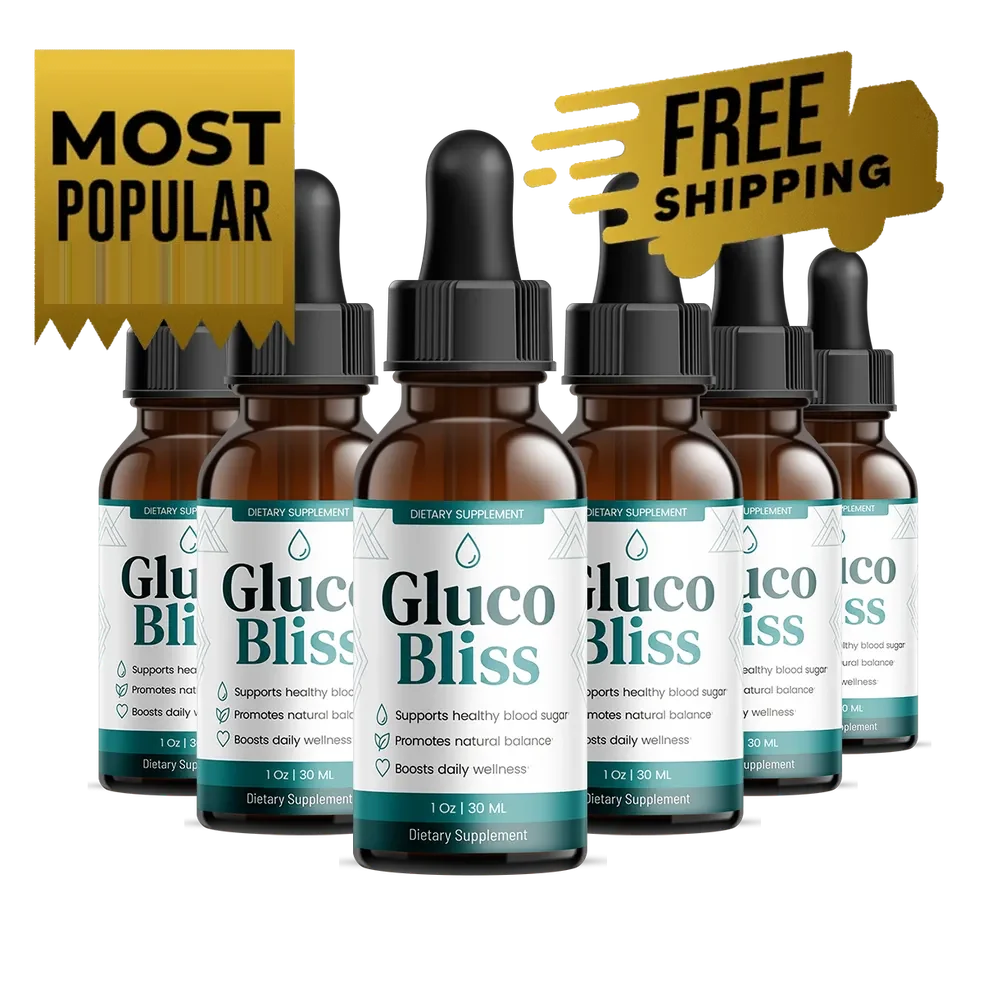
Here is the honest placement, because we would rather you trust us than convert once and feel misled. GlucoBliss is a liquid blood-sugar-support supplement — one dropperful a day, 30 servings to a bottle — that brings several of the categories above together in one place. On its label you will find gymnema and chromium (both on this ranked list), plus green tea, Panax ginseng, maca and African mango. It is a convenience play: one dropper instead of a shelf of bottles.
What GlucoBliss does not contain is berberine, Ceylon cinnamon or alpha-lipoic acid. If your top priority is specifically the ingredient with the strongest evidence, a standalone berberine product or the reading in our related section will serve you better than any combination. We would rather say that plainly than pretend the formula is something it is not. It is also worth knowing that the botanicals sit inside a proprietary blend printed at 15.47 mg, so the exact milligram of each ingredient is not disclosed — a normal and legal practice, and one we unpack in our full breakdown of the GlucoBliss ingredients and what is inside the formula.
So who is GlucoBliss actually for? For someone who wants a single, guarantee-backed daily liquid that includes two evidence-listed ingredients and several supporting botanicals, and who values not juggling separate pills. For that person it is a reasonable one-bottle option to try alongside the basics.
One dropper, several of the ingredients above
Gymnema, chromium, green tea and Panax ginseng in a single daily liquid, backed by a 60-day money-back guarantee at the official store.
Order NowThree myths about supplements to lower blood sugar
Myth 1: a supplement can replace your medication. It cannot, and treating it that way is dangerous. Several ingredients on this list can add to the effect of prescribed glucose-lowering drugs, which is a reason to coordinate with a doctor — not a reason to stop the medication. Supplements support; they do not substitute.
Myth 2: “natural” means side-effect-free. Berberine can upset your stomach. Gymnema and cinnamon can push blood sugar lower than you intended if you are already on medication. Caffeine-containing botanicals can affect sleep and heart rate. Natural is not the same as inert, and the sensible response is to start low and pay attention.
Myth 3: more ingredients means more power. A label listing twenty botanicals looks impressive, but if they share a small total weight, each one may fall far below its studied dose. This is the single most useful thing to check on any combination product: find the blend total, count the ingredients, and divide. A long list is not the same as a strong dose.
How to choose and use them safely
Whatever you pick, use it like a scientist testing one variable. Start at the low end of the range. Change one thing at a time so you can tell what is working. Track your fasting glucose over a few weeks rather than judging on a single reading. And loop in a healthcare professional before you begin, especially if you take medication for blood sugar or blood pressure, because the most common real-world problem is not that a supplement does nothing — it is that it works, stacks with a drug, and drops your glucose lower than expected. Used with that kind of care, the best supplements to lower blood sugar can be a genuinely useful part of the picture.
Related reading
Frequently asked questions
What supplements lower blood sugar the most?
In human trials, berberine has produced the largest and most consistent drops in fasting glucose of any single supplement, followed by Ceylon cinnamon at 1 to 6 grams a day, which has lowered fasting glucose by roughly 10 to 24 mg/dL in some studies. Alpha-lipoic acid, chromium, gymnema, fenugreek, bitter melon and magnesium round out the list. None of them replaces diet, exercise or prescribed medication.
Which blood sugar supplement has the best evidence?
Berberine has the strongest human evidence, with multiple randomized trials showing meaningful reductions in fasting glucose and HbA1c, sometimes comparable in size to first-line medication in small head-to-head studies. It is not a drug, it is not a cure, and it can cause digestive upset, so it should be discussed with a clinician if you take glucose-lowering medication.
Can one supplement combine several ingredients?
Yes. Combination formulas put several blood-sugar botanicals into one daily dose so you do not have to buy and swallow separate bottles. GlucoBliss is one example, folding gymnema, green tea, chromium and Panax ginseng into a single liquid dropper. The trade-off is that many combinations use a proprietary blend, so the exact milligrams of each ingredient are not printed on the label.
Are blood sugar supplements safe to take daily?
For most healthy adults the ingredients on this list are generally well tolerated at studied doses, but daily use is not automatically risk-free. Several can lower blood sugar further when combined with diabetes medication, raising the risk of hypoglycemia, and some interact with other drugs. Start low, change one thing at a time, and speak to a healthcare professional before adding a daily supplement, especially if you take medication.
Can I take blood sugar supplements in the morning?
Yes, many people pick a set time each day. GlucoBliss, for example, is one dropperful once daily, ideally in the morning before a meal.
Try the combination approach for yourself
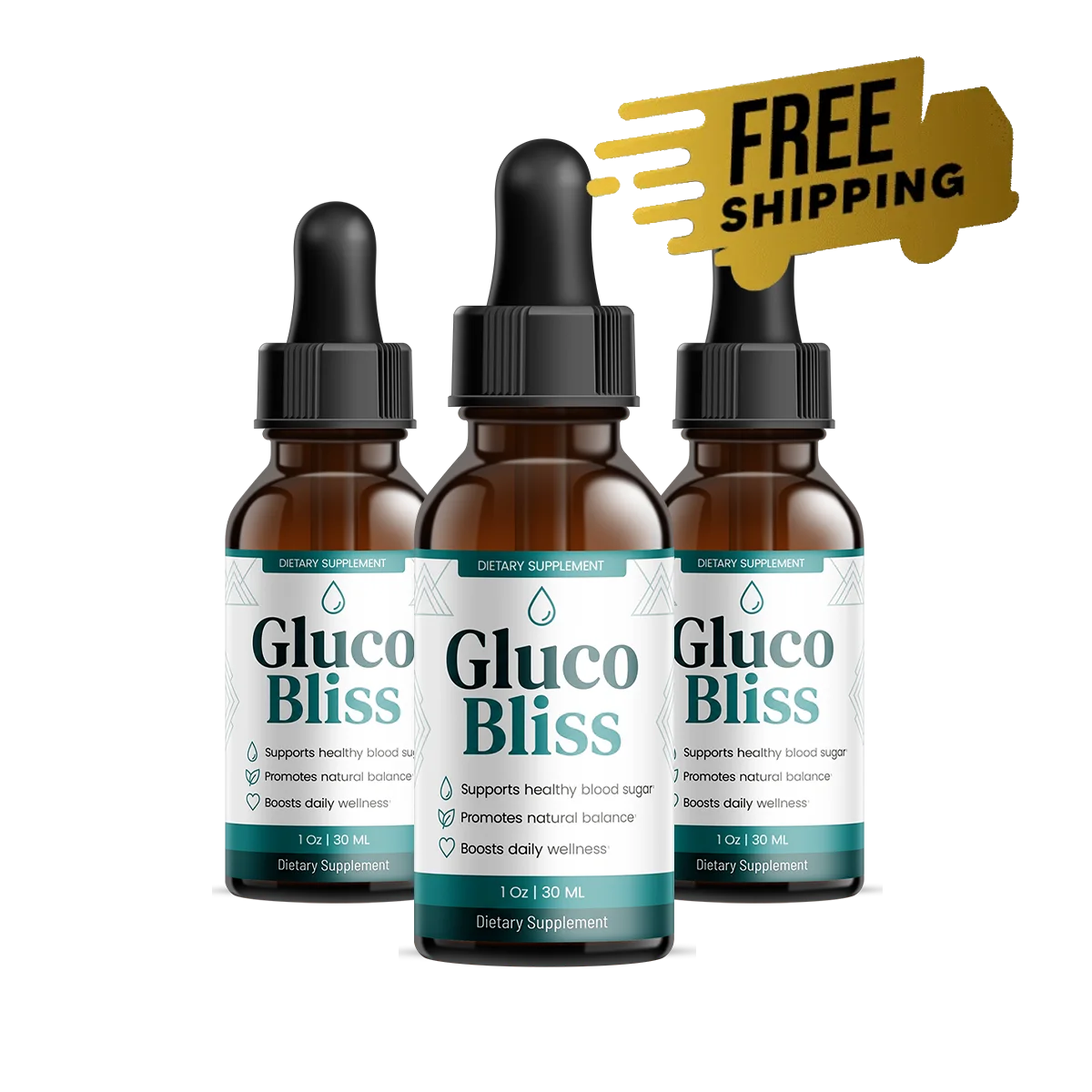
If a single daily dropper of gymnema, chromium and supporting botanicals fits your routine better than a cabinet of pills, GlucoBliss ships from the official store with a 60-day money-back guarantee.
Order NowReferences
- NIH NCCIH — Diabetes and Dietary Supplements: what the science says
- NIH NCCIH — Cinnamon
- NIH Office of Dietary Supplements — Chromium fact sheet for health professionals
- NIH Office of Dietary Supplements — Magnesium fact sheet for health professionals
- NIH NCCIH — Fenugreek
- FDA — Dietary Supplements: what they are and how they are regulated