Best Berberine Supplement 2026: Buyer’s Guide and Daily Use
What is the best berberine supplement in 2026?
The best berberine supplement in 2026 delivers 900 to 2,000 mg of standardized berberine HCl or dihydroberberine daily, split across two or three doses, made in a GMP-certified, FDA-registered facility with third-party purity testing. GlucoBliss takes a different route, a botanical blood-sugar blend ranked on its own terms.
- Dose and form matter more than brand names or star ratings.
- Transparency beats hype — hidden proprietary-blend amounts are a red flag.
- Third-party testing and a real guarantee separate serious products from filler.

Search for the best berberine supplement in 2026 and you will drown in "top 10" lists that are really just affiliate rankings in a lab coat. This guide skips the fake leaderboard and gives you the checklist those lists are supposed to be based on: the dose that matches the research, the forms worth paying for, the purity and testing signals that separate a serious product from a bottle of powder, and the manufacturing credentials that tell you where your money is going. Run any product through these five filters and you will out-shop 90% of buyers — whether you land on a dedicated berberine capsule or a broader blend like GlucoBliss.
One promise up front, because trust is the whole game in this category: we will tell you plainly where GlucoBliss fits and where it does not. It is not a standalone berberine capsule, and we are not going to pretend it is. It is a berberine-class botanical blend, and there are specific buyers it suits and specific buyers it does not. You will know which one you are by the end.
What separates the best berberine supplement from a generic bottle
Berberine has earned its reputation honestly. In pooled analyses spanning roughly 27 randomized controlled trials and about 2,500 adults, berberine was associated with reductions in A1c of around 0.9 percentage points over three months, plus improvements in fasting glucose. That is why the shelf is suddenly crowded — and why quality varies so wildly. Five factors decide whether a bottle can actually deliver on that research.
1. Dose that matches the studies
This is the one most bottles fail. The human research clusters around 900 to 2,000 mg of berberine per day, and because berberine clears the body quickly, it is split into two or three doses taken with meals. A once-daily 500 mg capsule is not "the same thing at a lower price" — it is a fraction of the studied intake. Check the milligrams per serving and per day, not just per capsule. For the full breakdown of the numbers, see our berberine dosage guide and what 500 mg really covers.
2. A form worth paying for
Plain berberine hydrochloride (HCl) is the most-studied and most affordable form, and it is a perfectly good default. The catch is bioavailability: berberine is notoriously poorly absorbed, which is part of why the daily dose is so high. Dihydroberberine is a metabolite marketed for better absorption at lower milligrams. Both can work; the question is whether a premium form justifies its price for you. We compare them head to head in dihydroberberine versus standard berberine HCl so you are not paying for a buzzword.
3. Purity and standardization
"Berberine" on a label can mean a lot of things. The best supplements standardize to a stated berberine content and source from botanicals like Berberis species with a clean extraction. Vague "berberine complex" wording with no standardization figure is a step down, because you cannot tell how much active compound you are actually buying.
4. Third-party testing
Botanical extracts are exactly the category where contamination and under-dosing hide, so independent lab testing is not a nice-to-have. Look for third-party verification of identity, potency and contaminants (heavy metals, microbes). A brand that pays for testing usually says so; a brand that stays silent usually has a reason.
5. Manufacturing and accountability
Made in a GMP-certified, FDA-registered facility is the baseline, not a bonus. Note the honest nuance: "FDA-registered facility" describes where a product is made, not FDA approval of the product itself — no supplement is FDA-approved. Pair that with a real return policy, reachable support and a company that lists an address. Those unglamorous details are the difference between a product and a dropshipped mystery.
Prefer one convenient blend over stacking capsules?
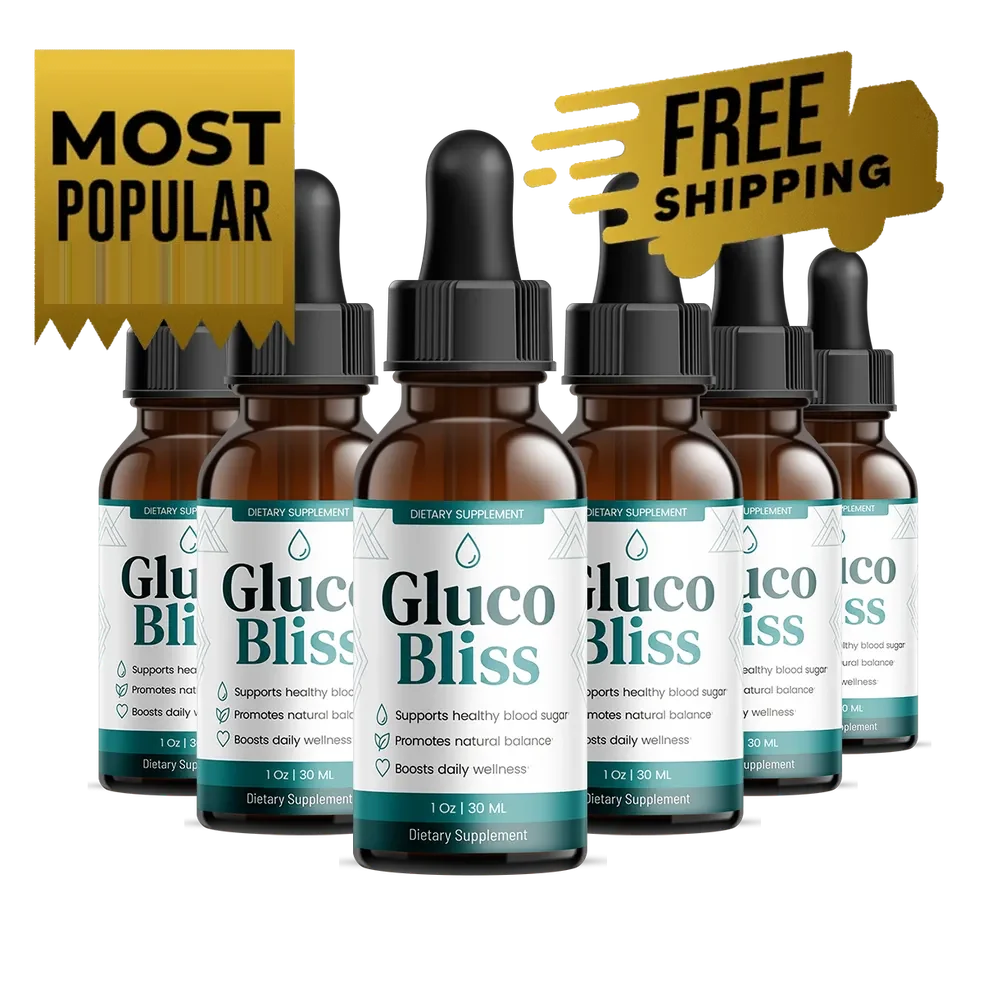
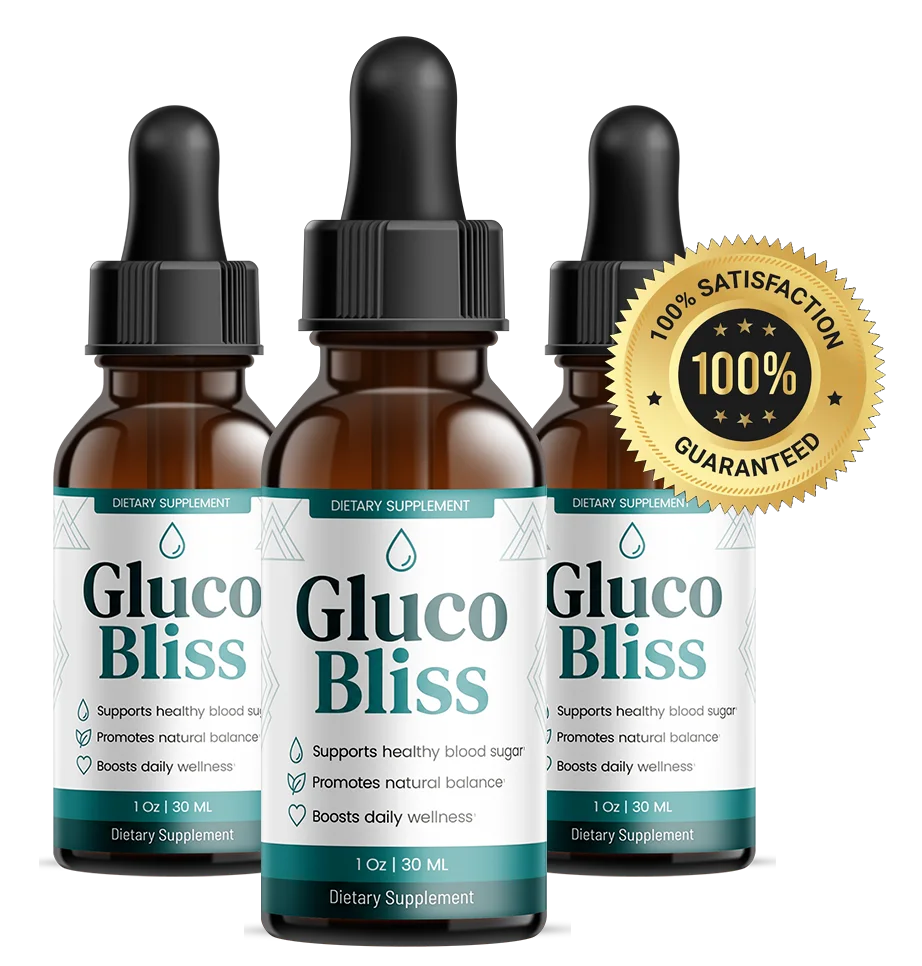
GlucoBliss combines berberine-class botanicals in a single daily dropper, made in a GMP-certified, FDA-registered facility and backed by a 60-day money-back guarantee.
Order NowWhere GlucoBliss fits in the berberine conversation
Now the honest positioning. GlucoBliss is not competing to be the single highest-dose berberine capsule on the shelf, and if that is strictly what you want, buy a dedicated berberine product and follow the dose guidance above. What GlucoBliss offers is a different philosophy: a liquid blend of berberine-class botanicals — gymnema, green tea extract, chromium and more — taken as one dropperful a day, aimed at supporting healthy blood sugar through several pathways at once rather than maxing out a single compound.
For a lot of real buyers, that trade is attractive. One product is easier to stay consistent with than a three-times-daily capsule schedule, and consistency is the factor that actually determines results in this category. The catch, which we will not hide, is that GlucoBliss uses a proprietary blend, so the exact milligrams of each botanical are not printed. That is the same transparency limitation we flag on every proprietary formula, and you can read exactly what is and is not disclosed in our full GlucoBliss ingredient breakdown. If you want to see the direct trade-offs against buying berberine on its own, we lay them out in how GlucoBliss compares to plain berberine capsules.
On the trust criteria that matter most, GlucoBliss checks the structural boxes: manufactured in a GMP-certified, FDA-registered facility, sold through the official store, and backed by a 60-day money-back guarantee that lets you judge it against your own readings. That guarantee is doing real work here — it converts "I'm not sure the dose is enough" from a gamble into a test you can reverse.
Three myths that sink berberine shoppers
Myth: more milligrams is always better. Above the studied range, extra berberine mostly buys extra digestive side effects, not extra benefit. The goal is to hit the research window consistently, not to win a milligram contest. This is also why a well-designed blend can be reasonable even at lower single-ingredient amounts — it is spreading the effort across pathways.
Myth: a proprietary blend automatically means underdosed junk. Not automatically — but it does mean you cannot verify the dose, which shifts the burden of proof onto other trust signals: manufacturing, testing, guarantee and reputation. Judge a blend by whether it earns your trust on those, and by whether the format fits your life, rather than dismissing or accepting it on the word "proprietary" alone.
Myth: berberine is a natural Ozempic or a diabetes cure. It is neither, and any label that implies it is has told you something important about the seller. Berberine and berberine-class botanicals are support tools for blood sugar already in a healthy range, used alongside diet, movement and any care your doctor prescribes. Treat "cure" language as a disqualifier, not a selling point.
Your two-minute buying checklist
- Does the label state the exact daily dose, and does it reach the studied 900–2,000 mg range for a dedicated berberine product?
- Is the form named clearly (berberine HCl or dihydroberberine) and standardized?
- Is there third-party testing for identity, potency and contaminants?
- Is it made in a GMP-certified, FDA-registered facility, with reachable support?
- Is there a real money-back guarantee so you can test it risk-limited?
Score any product against those five. If you want a dedicated berberine capsule, use the checklist to pick one. If you would rather run a multi-pathway blend in a single daily dropper — and value the convenience and the guarantee over per-ingredient disclosure — GlucoBliss is a sensible choice to try.
Related reading
Frequently asked questions
What is the best berberine supplement in 2026?
There is no single winner for everyone. The best berberine supplement is the one that delivers a research-aligned daily dose of a clearly labelled form, is made in a GMP-certified, FDA-registered facility, and is backed by third-party purity testing and an honest return policy. Match those criteria to your own goals rather than trusting a ranking headline, and remember a blend like GlucoBliss is a different, multi-pathway option rather than a standalone berberine capsule.
How much berberine should a good supplement contain?
Most human research uses roughly 900 to 2,000 mg of berberine per day, split into two or three doses taken with meals because berberine clears the body quickly. A quality label states the exact milligrams of berberine HCl or dihydroberberine per serving and per day, not a vague blend total. If the amount is hidden inside a proprietary blend, you cannot confirm it reaches the studied range.
What should I look for on a berberine label?
Look for the exact form and dose, standardization to berberine content, the serving schedule, third-party testing for identity, potency and contaminants, and manufacturing in a GMP-certified, FDA-registered facility. Avoid labels that bury the amount in a proprietary blend, over-promise a cure, or skip contact details. Transparency about what is inside is the single strongest quality signal.
Is GlucoBliss a good berberine option?
GlucoBliss is not a standalone berberine capsule — it is a liquid blood-sugar blend built on berberine-class botanicals such as gymnema, green tea and chromium. It suits people who want one convenient daily dropper that targets several pathways at once, rather than a single high-dose berberine product. If you specifically need a clinical berberine dose, choose a dedicated berberine label; if you want a broader blend with a 60-day guarantee, GlucoBliss is a reasonable option.
How should I take a berberine supplement each day?
Split the daily amount across two or three doses, usually with meals, and follow the serving size on the label.
Made your choice? Start the GlucoBliss trial
If a convenient, multi-pathway berberine-class blend fits your goals better than juggling capsules, the bundles cover the full results window and the 60-day guarantee keeps the risk low.
Order Now