Dihydroberberine vs Berberine: Which Is Better for Blood Sugar?
Is dihydroberberine better than berberine?
It depends on what you mean by better. Dihydroberberine is absorbed more efficiently, so it can work at a lower dose and often with fewer digestive side effects. Standard berberine is more researched and much cheaper. Neither is universally superior; dihydroberberine wins on absorption and comfort, while berberine wins on evidence and value.
- Dihydroberberine: more bioavailable, lower dose, usually gentler on the gut.
- Berberine HCl: far more studied, cheaper, decades of use behind it.
- Best pick: comfort and low dose lean dihydro; evidence and budget lean berberine.

The dihydroberberine vs berberine question has become one of the most searched debates in the blood-sugar-support world, and for good reason. Both come from the same plant chemistry, both are used to support healthy glucose metabolism, and both show up on countless labels. But they are not interchangeable. Dihydroberberine is a metabolite of berberine that your body actually produces from berberine in the gut, and taking it directly changes how much reaches your bloodstream. This guide compares the two forms honestly on the things that matter to a buyer: absorption, dose, tolerability, evidence and cost.
Before we dig in, the usual caveat. This is educational content, not medical advice, and both forms can lower blood sugar and interact with medications. If you take glucose-lowering drugs or anything else, decide between dihydroberberine vs berberine with your doctor, not just a comparison table.
What each form actually is
Berberine is a plant alkaloid found in barberry, goldenseal and Oregon grape. In most products it appears as berberine hydrochloride, the salt form used in the bulk of the research. If you want the full background on the salt and why it dominates labels, our explainer on what berberine HCl is covers it. The catch with plain berberine is poor absorption: only a small fraction of an oral dose ever makes it into the bloodstream, which is why the studies used large, split doses.
Dihydroberberine is what your gut bacteria convert some of that berberine into before it is absorbed. Because it skips a step, taking dihydroberberine directly delivers more into circulation from the same milligram. In other words, dihydroberberine is not a different plant or a marketing gimmick; it is the more absorbable downstream form of the same molecule.
Dihydroberberine vs berberine: the side-by-side
Here is the comparison in one place. Treat the numbers as typical ranges from the available research and product labels, not fixed prescriptions.
| Factor | Dihydroberberine | Berberine HCl |
|---|---|---|
| Bioavailability | Higher; absorbed more efficiently | Low; small fraction absorbed |
| Typical dose | ~100–200mg, once or twice daily | ~500mg, two to three times daily |
| Digestive tolerability | Often gentler; less left in the gut | More cramping, nausea, loose stools |
| Depth of research | Growing but limited | Extensive; decades of human studies |
| Cost | Higher per bottle | Lower; widely available and cheap |
| Dosing convenience | Fewer doses per day | More doses to spread across meals |
Absorption: dihydroberberine's headline advantage
The strongest argument for dihydroberberine is bioavailability. Standard berberine is notoriously hard to absorb; most of an oral dose stays in the gut and is never taken up systemically. Dihydroberberine, being the pre-absorbed form, gets more of the active compound into your blood from a smaller dose. That is a genuine, mechanistic advantage, not marketing spin, and it is the reason dihydro products can list 100 to 200mg where a berberine product lists 500mg.
But absorption is a means, not an end. More in the blood is only useful if it translates into the outcomes people care about, and that is exactly where the evidence gap sits. The absorption story is real; the long-term outcome story for dihydroberberine is still being written.

Tolerability: why some people switch to dihydroberberine
Berberine's most common downside is digestive: cramping, nausea, constipation or loose stools, especially at higher doses. Much of that happens because so much of the dose stays in the gut. Since dihydroberberine is absorbed more completely, less of it hangs around to irritate the digestive tract, and many people who could not tolerate high-dose berberine find dihydro noticeably gentler.
That said, "gentler" is not "guaranteed comfortable." Individual responses vary, and starting at the lowest label dose is still the smart move with either form. If your only complaint with berberine was the stomach upset, though, dihydroberberine is a rational thing to try. If comfortable dosing is your priority, that is the strongest single reason to lean dihydro.
Evidence and cost: where standard berberine still wins
Now the honest counterweight. The overwhelming majority of the human research that made this compound popular used standard berberine, not dihydroberberine. When you read about effects on glucose and lipid metabolism, you are almost always reading about berberine HCl. Dihydroberberine research is growing but remains far thinner. If your priority is the weight of published evidence, berberine is ahead, full stop.
Then there is price. Standard berberine is cheap, mass-produced and easy to find. Dihydroberberine costs more per bottle, and you are partly paying for the convenience of a lower, more absorbable dose. For a lot of people, a well-dosed berberine product plus good habits is the pragmatic choice, and there is nothing wrong with that. If you are weighing specific products against each other, our best berberine supplement buyer's guide for 2026 lays out what to look for on any label before you spend.
Want the simpler route entirely?
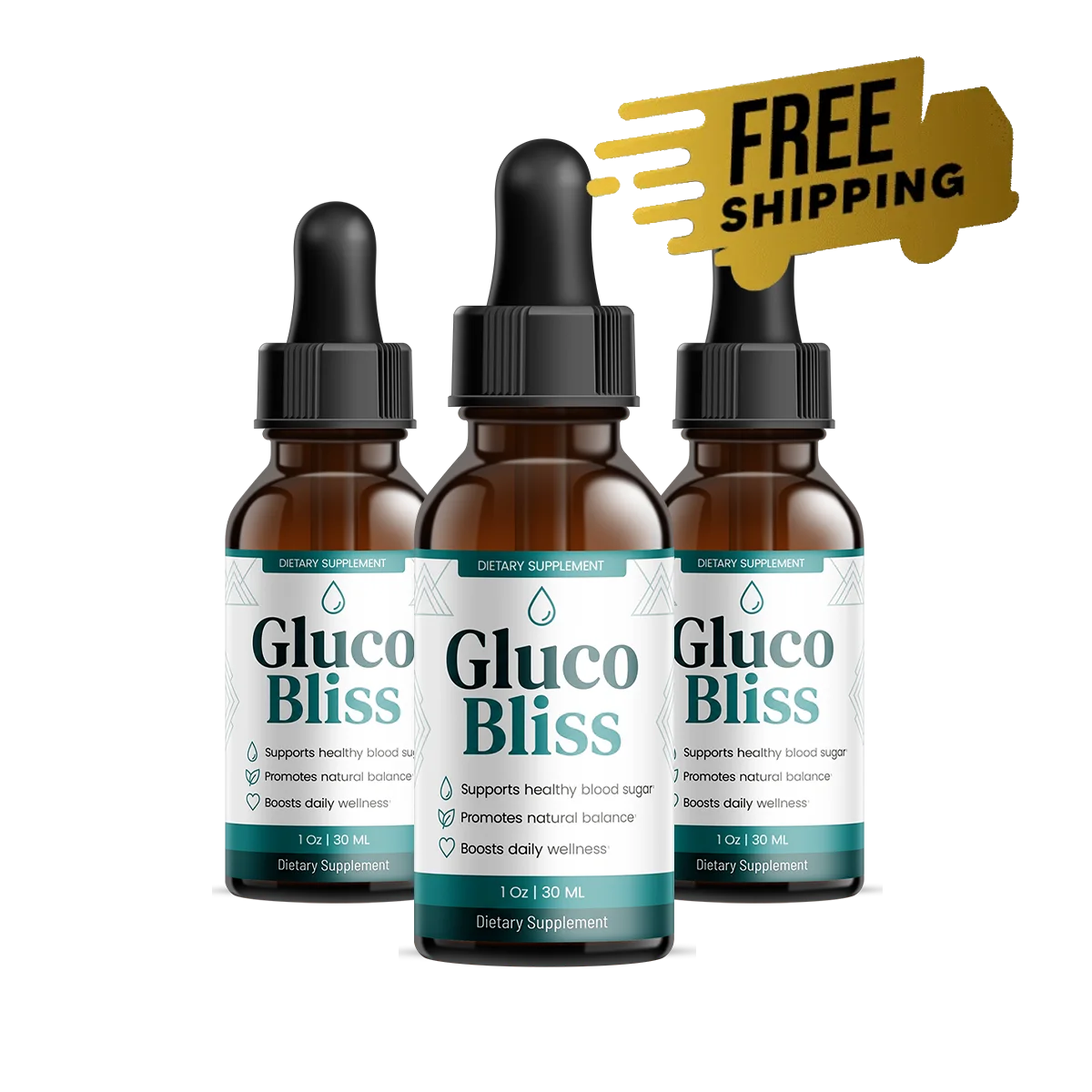
Instead of choosing a single-ingredient form, GlucoBliss delivers a once-daily liquid blend of studied botanicals for everyday blood-sugar support.
Order GlucoBlissHow to choose between dihydroberberine vs berberine
Strip away the hype and the decision comes down to your priorities:
- Choose dihydroberberine if you want a lower daily dose, fewer capsules, and gentler digestion, and you are comfortable paying more for a less-studied but more absorbable form.
- Choose standard berberine if you want the most-researched option, the lowest price, and you tolerate it fine, and you do not mind splitting doses across the day. For the exact numbers, see our berberine 500mg dosage guide.
- Choose a formulated blend if you would rather not micromanage a single ingredient at all, and want several studied botanicals combined into one convenient daily routine.
There is no wrong answer here, only a fit. Someone chasing the strongest evidence and lowest cost lands on berberine; someone who quit berberine over stomach upset lands on dihydroberberine; someone who wants simplicity lands on a blend.
Where GlucoBliss fits in the comparison
GlucoBliss is deliberately not a single-ingredient berberine or dihydroberberine capsule. It is a liquid blood-sugar support blend that combines several studied botanicals into one dropperful a day, built for people who want a sustainable routine rather than a shelf of standalone bottles. Because supplement formulas evolve and the printed label is always the source of truth, check the current Supplement Facts panel on the official store to see exactly which ingredients and forms it uses. To understand the blend philosophy behind it, our overview of the GlucoBliss ingredients explained walks through what is inside and why. If a convenient once-daily blend beats juggling forms and dose timing for you, that is where it earns its place.
Both berberine and dihydroberberine can lower blood sugar and interact with medications, including some for diabetes and blood pressure. This article is educational and not medical advice. Talk to your doctor before choosing or combining either form, and monitor your glucose as advised. Dietary supplements are not intended to diagnose, treat, cure or prevent any disease.
Frequently asked questions
Is dihydroberberine better than berberine?
It depends on what you mean by better. Dihydroberberine is absorbed more efficiently, so it can work at a lower dose and often with fewer digestive side effects. Standard berberine is more researched and much cheaper. Neither is universally superior; dihydroberberine wins on absorption and comfort, while berberine wins on evidence and value.
Does dihydroberberine cause less stomach upset?
Usually, yes. Because dihydroberberine is absorbed more completely, less of it lingers in the gut, which is where berberine tends to cause cramping, nausea and loose stools. Many people who cannot tolerate high-dose berberine find dihydroberberine gentler, though individual responses vary and starting low is still the smart approach.
How much dihydroberberine should I take?
Dihydroberberine is typically dosed lower than berberine because it absorbs better, commonly around 100 to 200mg once or twice daily versus 500mg doses of standard berberine. Product concentrations differ, so follow the label and, as with any glucose-active supplement, start at the lowest suggested dose and confirm it with your doctor.
Which form does GlucoBliss use?
GlucoBliss is a liquid blood-sugar support blend rather than a single-ingredient berberine product, so its formula combines several studied botanicals. Because supplement formulas change and the printed label is the source of truth, check the current GlucoBliss Supplement Facts panel on the official store page to confirm the exact ingredients and forms it uses.
Related reading
References
Skip the form debate
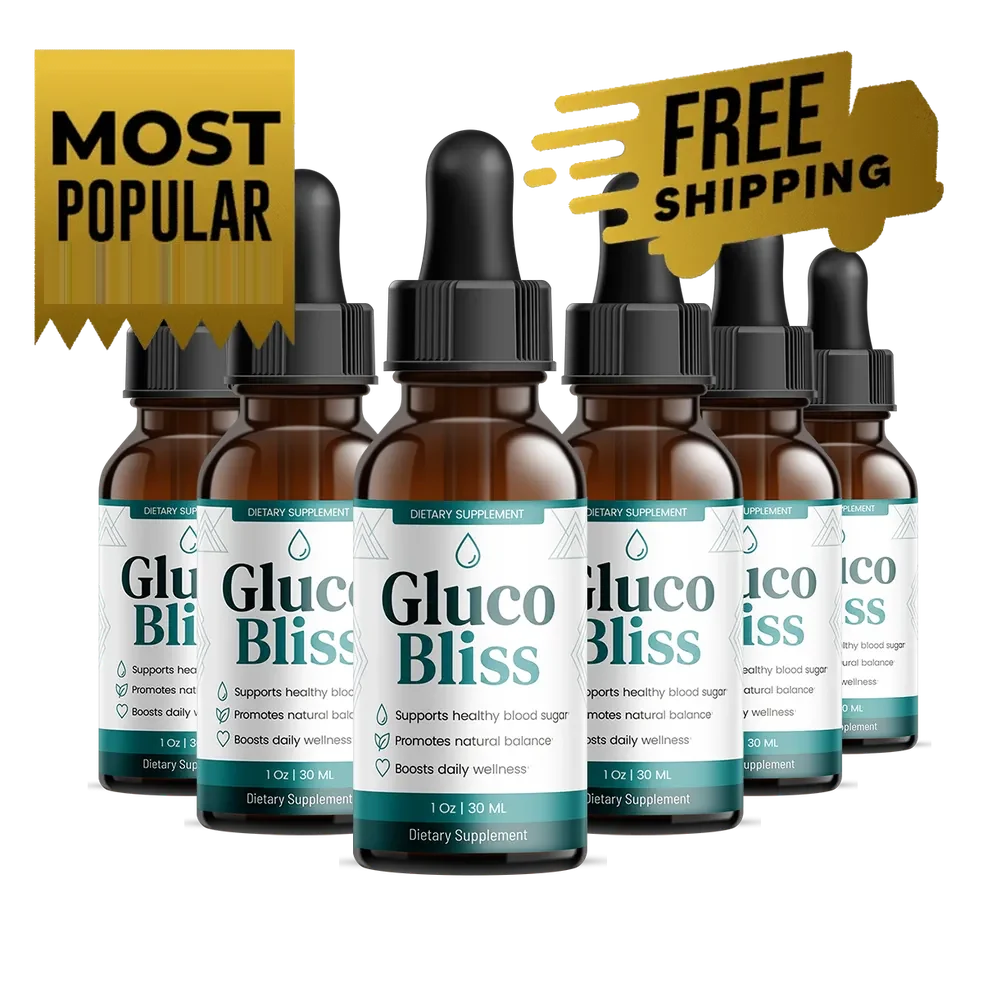
One dropperful a day of a studied botanical blend, backed by a 60-day money-back guarantee from the official store.
Order GlucoBliss Now