Best Time to Take Berberine: A Simple Daily Routine
When is the best time to take berberine?
The best time to take berberine is about 20 to 30 minutes before a meal, split across your two or three largest meals of the day. A dose timed just ahead of eating meets the post-meal glucose spike as it happens, while taking it with food eases stomach comfort.
- Timing: 20–30 minutes before meals targets the post-meal spike directly.
- Frequency: split across breakfast, lunch and dinner due to a short half-life.
- Tolerance: taking it with food reduces cramping and loose stools.
Why timing decides whether berberine earns its keep
Most people asking about the best time to take berberine have already bought it. They have the bottle; what they are missing is the instruction that actually makes it work — and it is an instruction the label usually leaves vague. Here is the whole logic in one sentence: berberine is studied primarily for its effect on the post-meal glucose spike, so the best time to take it is when that spike is about to happen. That points to a simple rule: take it around 20 to 30 minutes before you eat.
Timing is the rare lever that costs nothing. You have already paid for the milligrams; getting them into your system in the window where they can act on a meal is free, and getting it wrong quietly wastes a fraction of what you paid for. Two things drive the whole timing conversation: when the glucose rise happens and how long berberine sticks around. Get those two right and everything else follows.
Before or after meals? Before, and here is why
A meal’s glucose rise begins as you digest it and peaks in the first hour or two after you eat. To meet that rise, berberine needs to already be on the scene. Taking it 20 to 30 minutes before the meal gives it time to begin absorbing so that its effect overlaps the spike rather than arriving late to it. Take it an hour after you have finished and you have largely missed the event you were trying to influence.
There is one honest exception, and it is about your stomach rather than the science of timing. Berberine on an empty stomach is the setup most likely to cause cramping. If “20 minutes before” leaves you queasy, taking it with the first few bites of the meal is a perfectly reasonable compromise: you still overlap the meal, and the food cushions the gastrointestinal edge. Perfect timing you cannot tolerate is worse than good timing you can.
How many times a day? Usually two or three
This is the part people most often get wrong, and it comes down to one fact: berberine is short-acting. It clears from your system fairly quickly, so a single morning dose leaves lunch and dinner — and their spikes — completely uncovered. That is why the research pattern, and the sensible real-world pattern, is to split the daily amount across meals: breakfast, lunch and dinner, or at least your two largest carbohydrate-containing meals.
Splitting does a second favour for free. A large single dose is exactly what triggers berberine’s stomach side effects; three smaller doses are gentler on the gut than one big one delivering the same daily total. So the same habit that keeps a more even presence through the day also happens to be the more comfortable one. If you want to see how the common amounts add up across those doses, our berberine dosage guide around the 500 mg serving lays out the arithmetic.
A realistic daily schedule
- Before breakfast: one dose, 20–30 minutes ahead — or with the first bites if mornings are hard on your stomach.
- Before lunch: a second dose ahead of your midday meal.
- Before dinner: a third dose ahead of the evening meal, often the largest spike of the day.
If three feels unmanageable, cover your two biggest meals and let the small one go. The schedule you keep is the schedule that works; a flawless three-a-day plan you abandon by Thursday beats nothing, but only barely. Which brings us to the objection that quietly ends most berberine routines.

Can't picture three doses a day?
GlucoBliss is the once-daily route to blood-sugar support — a single dropperful of a chromium-plus-botanical formula, no mid-meal reminders.
Order NowObjection: “I will never remember three doses”
This is the honest failure point of a berberine regimen, and pretending otherwise helps no one. The whole benefit of good timing depends on actually doing it two or three times a day, around meals, every day. Plenty of people manage it — anchoring each dose to a meal is a strong habit cue. But plenty of others start strong, miss lunch doses, then mornings too, and within a month the bottle is a decoration.
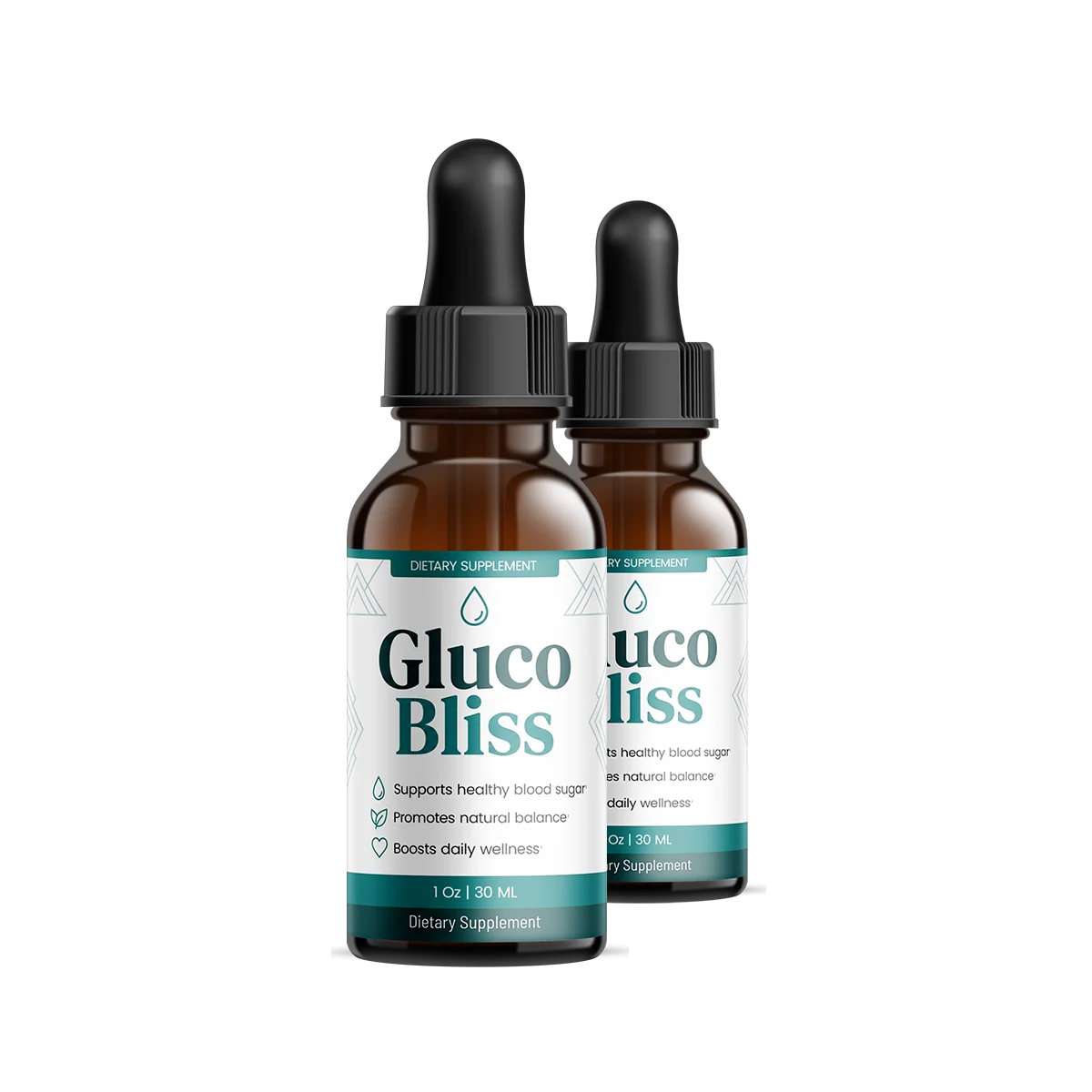
If you are honest with yourself that multi-dose timing is not going to survive your actual life, that is useful self-knowledge, not a failure. It is the specific problem a once-daily formula is built to solve. GlucoBliss takes the botanical route — chromium plus gymnema, green tea, maca, African mango and ginseng — in a single daily dropperful, so “did I take it?” has one answer instead of three. It is not a high-dose berberine product and does not pretend to be; it is the trade of maximal timing precision for a habit you will actually keep. We cover how to dose it in the GlucoBliss dosage and how-to-take guide.
Timing myths worth clearing up
Myth: “Take it all at once so you do not forget.” This is the single most self-defeating move with berberine. One large dose maximises stomach upset and leaves most of the day uncovered because the compound is short-acting. If remembering three doses is the problem, the fix is a once-daily formula, not a once-daily megadose of a short-acting ingredient.
Myth: “Timing does not matter, only the total.” The total matters, but for an ingredient whose headline effect is on the post-meal spike, being present at the meal is much of the point. Same milligrams, wrong window, less of the effect you were paying for.
Myth: “More is faster.” Pushing the dose up mostly buys you more gastrointestinal trouble, not a proportionally bigger benefit. Consistency — the right amount, meal-timed, every day — is what compounds. The same lesson applies to the spikes themselves; see our practical fix for taming glucose spikes after meals.
The one-line version
Take berberine 20 to 30 minutes before your largest meals, split across two or three doses a day, and take it with food if your stomach objects. Do it consistently, because timing only pays off when it is repeated. And if that routine is not realistic for you, the honest move is a once-daily formula rather than a badly-timed compromise.
Related reading
One dose, once a day, timing handled
GlucoBliss folds a chromium-plus-botanical blend into a single daily dropperful, with a 60-day money-back guarantee at the official store.
Order NowFrequently asked questions
When is the best time to take berberine?
The best time to take berberine is around 20 to 30 minutes before a meal. Berberine is studied for blunting the post-meal glucose spike, so timing a dose just ahead of eating targets that spike when it happens. Because berberine is short-acting, most people take it before their two or three largest carbohydrate-containing meals of the day.
Should I take berberine before or after meals?
Before, in most cases. Taking berberine roughly 20 to 30 minutes before eating lines its effect up with the glucose rise the meal produces. If taking it before meals upsets your stomach, taking it with the first bites of food is a reasonable compromise that still overlaps the meal while cushioning the gastrointestinal effect.
How many times a day should I take berberine?
Typically two to three times a day. Berberine has a short half-life, so a single daily dose leaves most of the day uncovered. Splitting the daily amount across breakfast, lunch and dinner keeps a more even presence and, as a bonus, lowers the chance of stomach upset compared with one large dose.
Does taking berberine with food help?
Yes, in two ways. Taking berberine with or just before food is how you target the meal's glucose spike, and taking it alongside food noticeably reduces the cramping and loose stools that berberine can cause on an empty stomach. If you are sensitive, taking it with the meal rather than well before it is the gentler option.
What is an easy daily schedule for berberine?
Tie each dose to your two or three biggest meals and take it about 20 to 30 minutes before eating. If your stomach feels unsettled, take it with food instead.