Berberine for Cholesterol: What to Know Before You Start
Does berberine lower cholesterol?
Berberine for cholesterol has surprisingly consistent research behind it. Meta-analyses of controlled trials link it to lower LDL, lower total cholesterol and lower triglycerides, with modest HDL gains in some studies, and it works best with diet and movement.
- Typical LDL reductions land near 20–25 mg/dL over 8–12 weeks at usual doses.
- Berberine improves lipids and glucose at once because both run through the same metabolic switch.
- It is a supplement, not a drug — keep your clinician in the loop, especially if you take medication.
Most people meet berberine as a blood-sugar ingredient. Then their next lab panel comes back and the cholesterol numbers have drifted too, and they start asking a sharper question: does berberine for cholesterol actually hold up, or is that just marketing riding on the glucose story? It is a fair question, and the honest answer is more interesting than a yes or no. Berberine is one of the few plant compounds with real human trial data on lipids — not just LDL, but total cholesterol and triglycerides too — and the reason it moves both cholesterol and blood sugar is not a coincidence. This article walks through what the evidence says, how large the effect tends to be, the objections worth taking seriously, and where a daily blood-sugar formula like GlucoBliss fits into the picture without overselling it.
Berberine for cholesterol: what the research actually shows
Berberine is an alkaloid found in plants such as goldenseal, barberry and Oregon grape, and it has been used in traditional systems for centuries. What matters for cholesterol is the modern data. Several systematic reviews and meta-analyses — the kind that pool dozens of randomised trials rather than lean on one flashy study — have looked at berberine and blood lipids. The pattern is remarkably steady across them.
Pooled results generally report that berberine lowers LDL cholesterol (the “bad” fraction that drives plaque), lowers total cholesterol, and lowers triglycerides. Some analyses also find a small increase in HDL, the protective fraction, though that signal is weaker and less consistent. In other words, berberine tends to push the whole lipid panel in the direction most people want, not just one number. That is unusual for a supplement, and it is the main reason cardiologists and researchers keep studying it rather than dismissing it.
Two caveats keep this honest. First, trial quality varies, and many studies are small or run in specific populations, so the pooled averages carry uncertainty. Second, an average improvement across a group is not a promise for any single person — your genetics, diet, baseline numbers and consistency all move the needle. The takeaway is not “berberine fixes cholesterol.” It is “berberine has credible, repeatable human evidence for improving lipids, which is more than almost any other over-the-counter botanical can say.”
How much does berberine reduce LDL and triglycerides?
Numbers make this concrete. Across pooled trials, LDL reductions commonly fall in the range of roughly 20 to 25 mg/dL over an eight-to-twelve-week window, at doses near 1,000 to 1,500 mg per day split into two or three servings with meals. Total cholesterol tends to move a similar direction, and triglyceride drops are often proportionally larger in people who start with high triglycerides. Percentage-wise, many reviews describe LDL and triglyceride reductions in the rough neighbourhood of 10 to 25 percent, depending on the population and how elevated the starting values were.
For scale, that is not statin territory — a moderate-intensity statin often cuts LDL by 30 to 50 percent — but it is a genuinely useful shift, and it lands in the same range as some diet-and-lifestyle interventions. People with mildly elevated numbers, or those who cannot tolerate statins and are working with a doctor on alternatives, are exactly the group for whom a 20-something-milligram LDL drop can matter. If your triglycerides are the problem, berberine may be even more worth a conversation with your clinician, because the triglyceride response is frequently the strongest part of the picture.
Why berberine works on cholesterol and blood sugar at once
The elegant part of the berberine story is the mechanism, because it explains why one compound touches two problems. Berberine activates an enzyme called AMPK — sometimes described as the cell’s “metabolic master switch.” When AMPK is switched on, cells behave as though energy is scarce: they take up more glucose, burn more fat, and dial down the manufacture of new fat and cholesterol. That single lever is why the glucose and lipid effects travel together.
On cholesterol specifically, berberine also appears to increase the activity of LDL receptors on liver cells. More LDL receptors means the liver pulls more LDL out of the bloodstream, which lowers circulating LDL — a different pathway from how statins work, which is part of why some researchers are interested in whether the two could complement each other under medical supervision. If you want the fuller picture of the glucose side of this same switch, our explainer on berberine’s benefits for blood sugar covers how AMPK activation translates into steadier glucose control.
This shared mechanism is also why berberine gets called “nature’s metformin” — a nickname that is catchy and a little misleading. The two do share the AMPK pathway, but they are not equivalent in potency, regulation or evidence base. If that comparison interests you, we break it down properly in our side-by-side look at how berberine compares with metformin.
Building a daily metabolic routine?
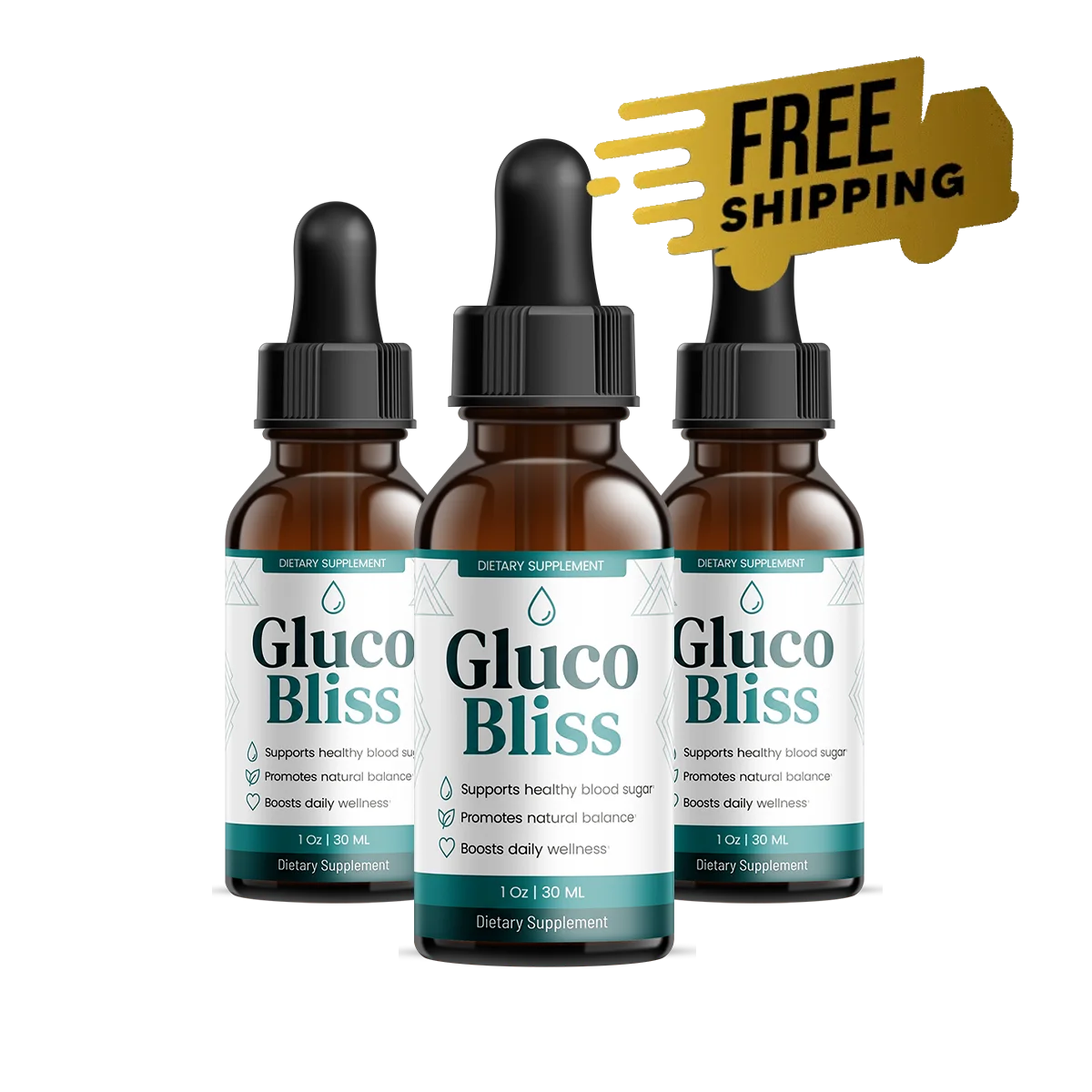
GlucoBliss is a once-daily liquid built for blood-sugar support, with 7 mcg of chromium disclosed on the label alongside a botanical blend. See today’s official-store pricing.
Order NowBerberine is not a statin — and shouldn’t be used like one
This is the objection that matters most, so it gets its own section. If a doctor has prescribed a statin, berberine is not a swap-in. Statins have decades of hard-outcome data — not just lower LDL numbers, but fewer heart attacks and strokes in large trials. Berberine has good data on the numbers (LDL, triglycerides) but far less on the outcomes that ultimately matter, and it is regulated as a supplement, which means less consistency in manufacturing and dosing than a prescription drug.
Stopping a prescribed statin on your own to “go natural” can leave your cardiovascular risk higher than you realise. The sensible framing is complementary, not competitive: some people use berberine alongside lifestyle changes for mildly elevated numbers, and some discuss it with a clinician as an add-on or as an option when statins are not tolerated. That conversation belongs with your doctor, who can order the follow-up labs to see whether it is doing anything for you specifically.
Three common myths, addressed honestly
Myth 1: “If it lowers cholesterol, it must be as strong as a drug.” No. Berberine’s effect is real but moderate, and it is inconsistent across people. Treat it as a meaningful nudge, not a rescue.
Myth 2: “Any berberine product will do the same thing.” Also no. Berberine is famously poorly absorbed, and dose, form and how many times a day you take it all matter. Studies that show results typically use gram-scale daily doses split across meals — not a token amount buried in a blend. This is exactly why reading the label matters, a habit we walk through in our breakdown of what a printed proprietary-blend total can actually hold.
Myth 3: “Natural means no side effects.” Berberine most often causes digestive upset — cramping, diarrhoea, constipation — especially early on, which is why splitting the dose with food helps. It can also interact with medications, because it is processed by the same liver enzymes that handle many common drugs. Natural is not the same as inert.
Where GlucoBliss fits — and where it doesn’t
Here is the straight version, because overselling would defeat the point of an honest review. GlucoBliss is marketed as a daily blood-sugar-support supplement, not a cholesterol product. Its label discloses 7 mcg of chromium (as chromium picolinate, 20% of the Daily Value) alongside a botanical blend that includes ingredients such as gymnema, green tea extract, ginseng and more. Several of those botanicals have general metabolic-health research behind them, but GlucoBliss makes no cholesterol claim, and the individual amounts inside its blend are not separately disclosed.
So if your specific goal is lipids, the star of this article — berberine at a studied dose — is what the evidence points to, and you should confirm any product actually delivers that dose. If your goal is broad, daily blood-sugar support and you like the idea of a disclosed chromium amount plus a botanical stack in a simple once-daily dropper, that is the lane GlucoBliss is built for. Want the full ingredient tour before you decide? Our guide to the ingredients inside GlucoBliss, explained lays out what is on the label and what each component is studied for.
How to use berberine sensibly
- Get baseline labs. You cannot judge a lipid intervention without before-and-after numbers. Test, then retest after 8–12 weeks.
- Respect the dose. Research effects come from roughly 1,000–1,500 mg/day, split across meals, not from a pinch. Absorption is the weak point, so timing and consistency matter.
- Take it with food. This blunts the digestive side effects that make people quit in week one.
- Check your medications. If you take a statin, blood-sugar drugs, blood thinners or anything processed by the liver’s CYP enzymes, clear berberine with your clinician first.
- Keep the lifestyle basics. Fibre, movement and weight all move lipids, and berberine works best on top of them, not instead of them.
Do that, and you will actually know whether berberine for cholesterol works for you — which beats guessing from a label or a testimonial every time.
Related reading
Ready to support your blood sugar daily?
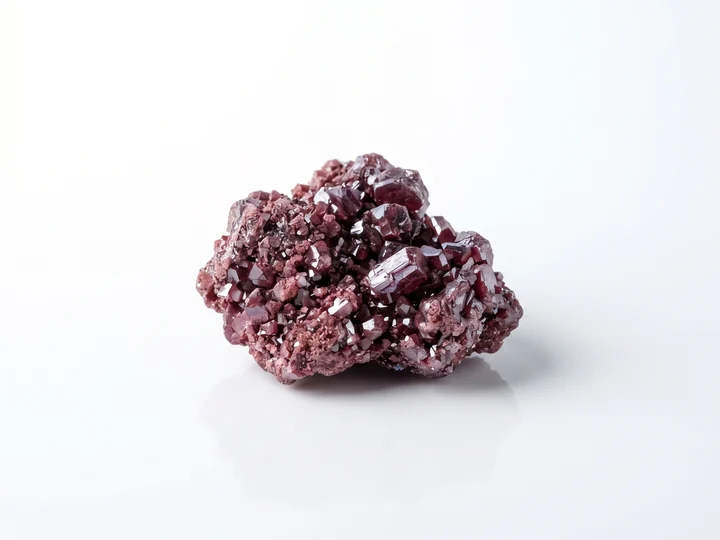
GlucoBliss puts a disclosed chromium amount and a botanical blend into one dropperful a day, backed by a 60-day guarantee at the official store.
Order NowFrequently asked questions
Does berberine lower cholesterol?
In controlled trials and meta-analyses, berberine has been associated with lower LDL (bad) cholesterol, lower total cholesterol and lower triglycerides, alongside modest rises in HDL in some studies. The effects are meaningful but vary by dose, duration and the individual, and it works best combined with diet and exercise rather than instead of them.
How much does berberine reduce LDL?
Pooled analyses commonly report LDL reductions in the range of roughly 20 to 25 mg/dL over eight to twelve weeks at typical doses near 1,000 to 1,500 mg per day split across meals. That is a real change, but it is an average across many people; your own result depends on your starting numbers, genetics and lifestyle.
Can berberine replace a statin?
No. Berberine is a dietary supplement, not a prescription medicine, and it should not replace a statin your doctor has prescribed. Some people use it alongside lifestyle changes or discuss it with a clinician as a complementary option, but stopping prescribed medication on your own can be dangerous. Always decide with your healthcare provider.
Does GlucoBliss support cholesterol too?
GlucoBliss is marketed for blood-sugar support, not cholesterol. Its label discloses 7 mcg of chromium plus a botanical blend, and some of those botanicals have general metabolic-health research, but the product makes no cholesterol claim and the blend amounts are not individually disclosed. Treat it as blood-sugar support and talk to your clinician about your lipids.
Should I check with my doctor before taking berberine for cholesterol?
Yes. If you take a statin or other medicine, ask your doctor first. A supplement is not a replacement for prescribed care.